Enterprise LabVIEW Application Development &Modular Architecture
Scalable, high-throughput LabVIEW test and measurement applications designed to eliminate spaghetti code, prevent race conditions, and operate continuously on the factory floor.
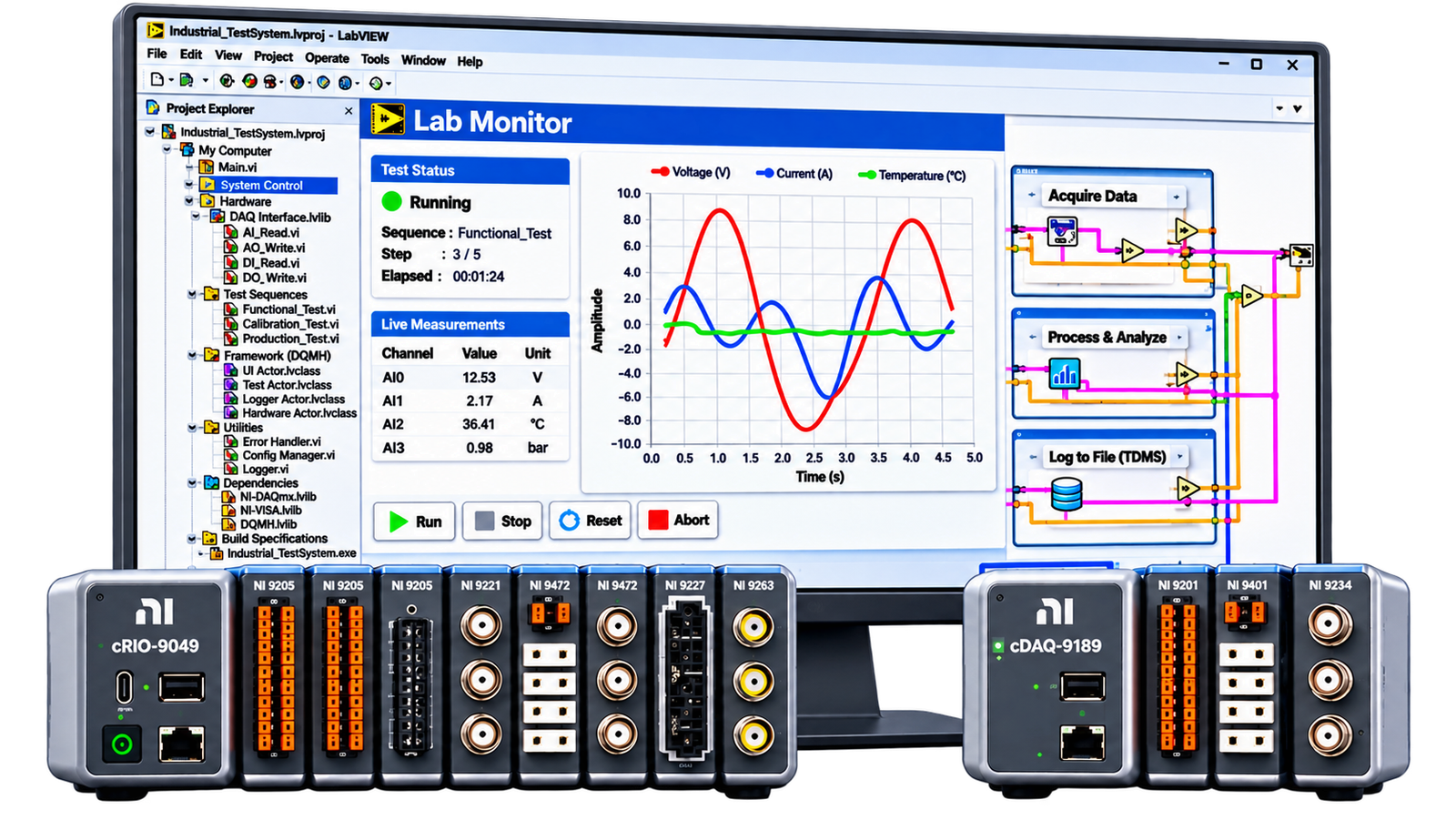
Core LabVIEW Software Capabilities
High-throughput test and measurement capabilities engineered to eliminate spaghetti code and deliver deterministic factory-floor execution.
Actor Framework & Distributed Systems
Asynchronously message-driven systems where independent actors manage discrete instruments and sub-processes without UI thread contention.
- ✓Hierarchical message routing
- ✓Dynamic actor spawning
- ✓Graceful shutdown pipelines
- ✓Thread-isolated error handling
DQMH Modular Architecture
Event-driven, easily testable modules with built-in API testers, ideal for teams transitioning from traditional state machines.
- ✓Request & broadcast events
- ✓Independent module API testers
- ✓Non-blocking background workers
- ✓Seamless multi-developer git workflows
Hardware Abstraction Layers (HAL)
Interchangeable instrument drivers allowing hardware upgrades or simulation swaps without recompiling test business logic.
- ✓Plug-and-play instrument classes
- ✓Virtual offline hardware simulation
- ✓LVOOP polymorphic dynamic dispatch
- ✓SCPI & VISA command isolation
High-Throughput DAQ Streaming
Lossless producer-consumer queues capable of streaming gigabytes of analog and digital data straight to TDMS/SQL files.
- ✓Multi-megasample buffer management
- ✓Decimated real-time UI rendering
- ✓TDMS metadata structuring
- ✓Ring buffer circular memory management
Industrial Touchscreen HMIs
Role-based operator front panels featuring dynamic subpanels, alarm banners, recipe selectors, and interactive measurement charts.
- ✓Subpanel dynamic screen loading
- ✓Audit trail & 21 CFR Part 11 readiness
- ✓Multi-monitor desktop layouts
- ✓Multilingual localization support
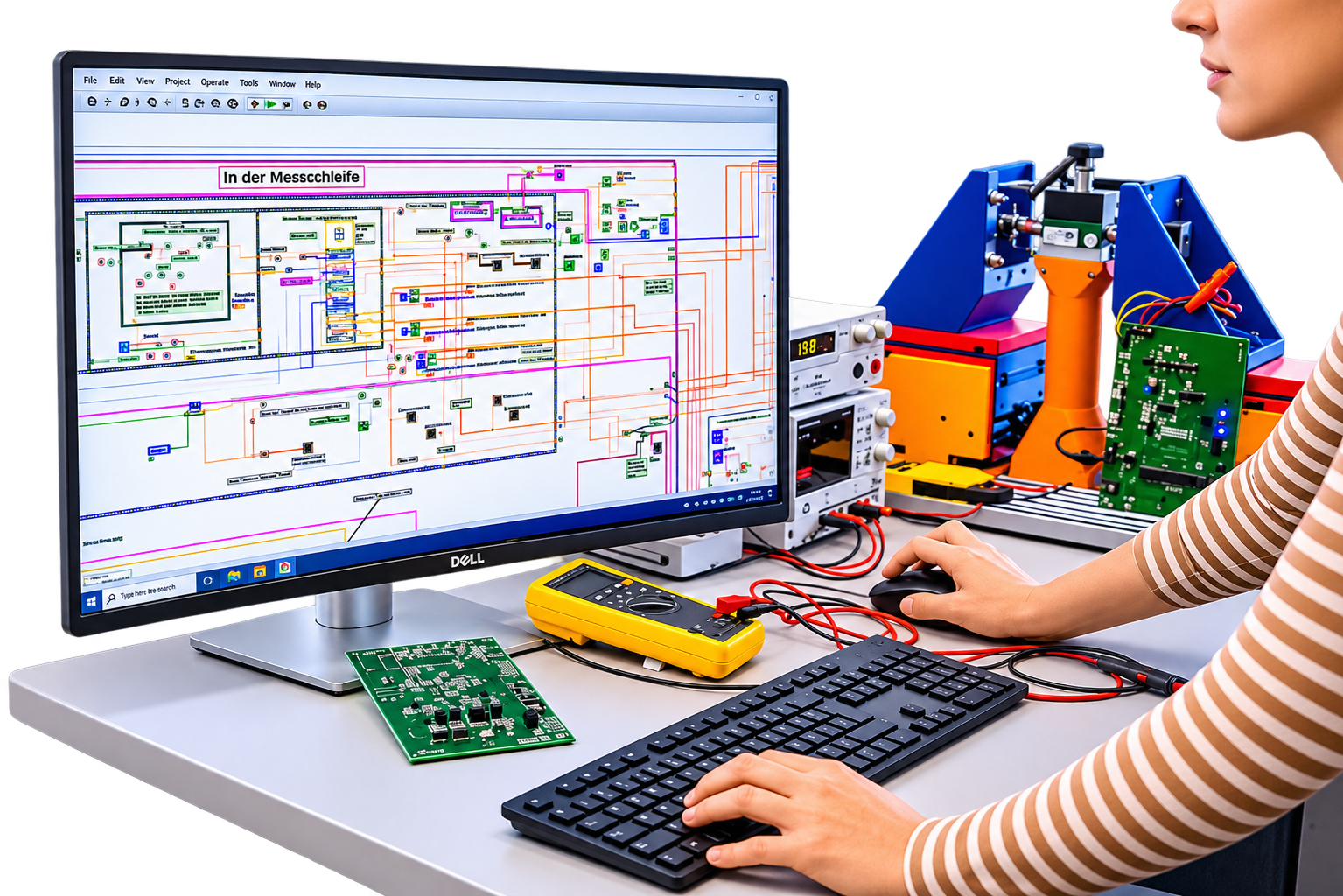
Deterministic LabVIEW Systems for Mission-Critical Operations
VEST Solutions engineers enterprise-level LabVIEW software built strictly around National Instruments certified architectures. We specialize in transforming fragile monolithic code into robust, asynchronously decoupled modules using Delacor Queued Message Handler (DQMH), Actor Framework, and Object-Oriented LabVIEW (LVOOP).
Whether you are designing a new test executive from the ground up, requiring high-channel DAQ streaming, or stabilizing 24/7 manufacturing line software, our Certified LabVIEW Architects (CLA) ensure zero-crash reliability, clean subVI hierarchies, and transparent dataflow.
Proven Architecture Paradigms
Industrial-grade design patterns engineered to replace monolithic code with modular, testable, and maintainable LabVIEW frameworks.
Producer–Consumer (Lossless)
High-priority acquisition loops deposit signal frames into thread-safe queues while consumer loops process filtering and disk streaming without dropping samples.
Queued Message Handler (QMH)
Robust state-driven architecture for test benches where commands and sequential states are decoupled from user interface event structures.
DQMH (Delacor)
The gold standard for multi-developer industrial projects, providing isolated singleton and cloneable modules with interactive diagnostic consoles.
Object-Oriented LabVIEW (LVOOP)
Strict encapsulation, class inheritance, and dynamic dispatch creating clean hardware abstraction layers that make test stations future-proof.
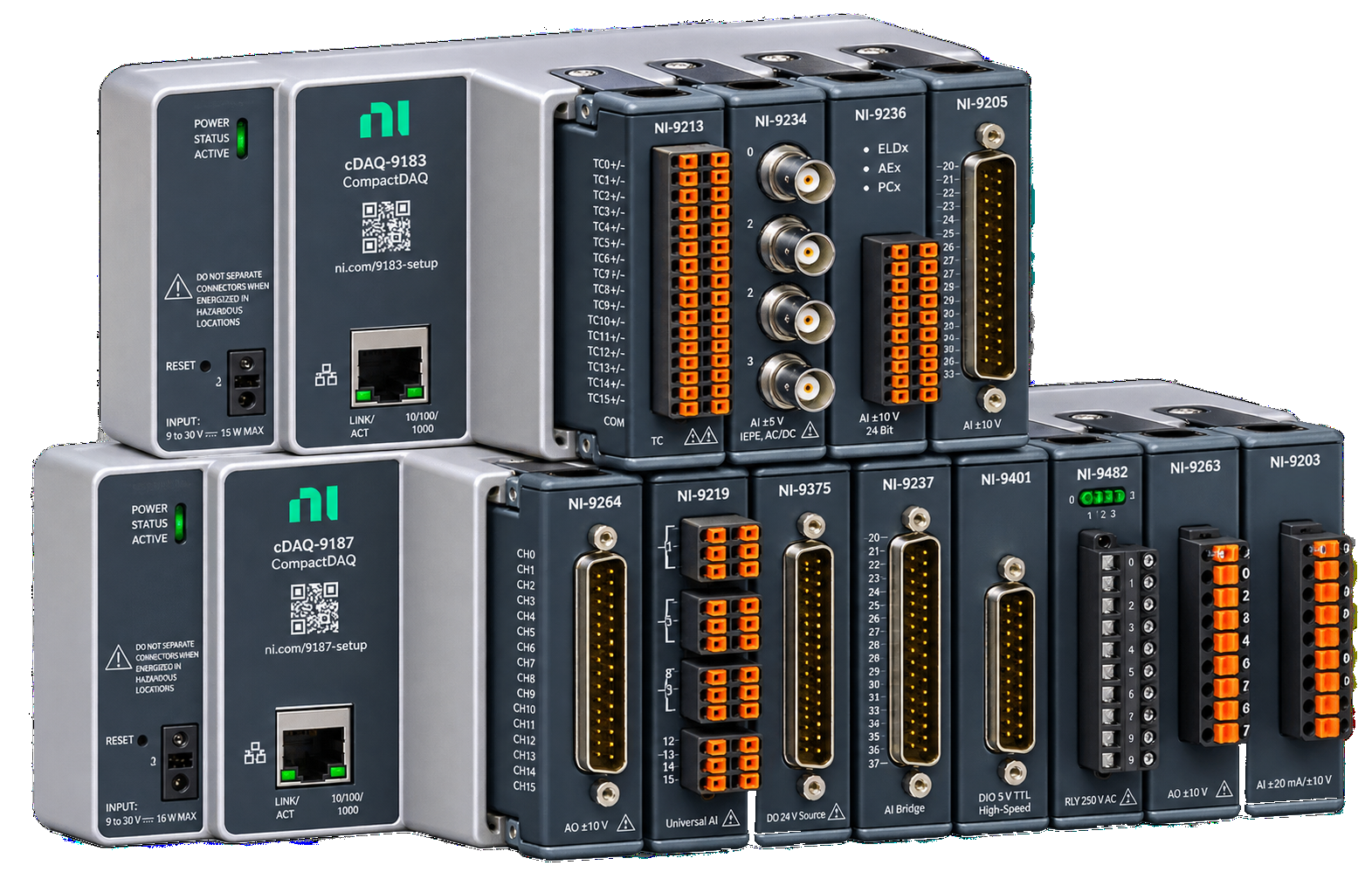
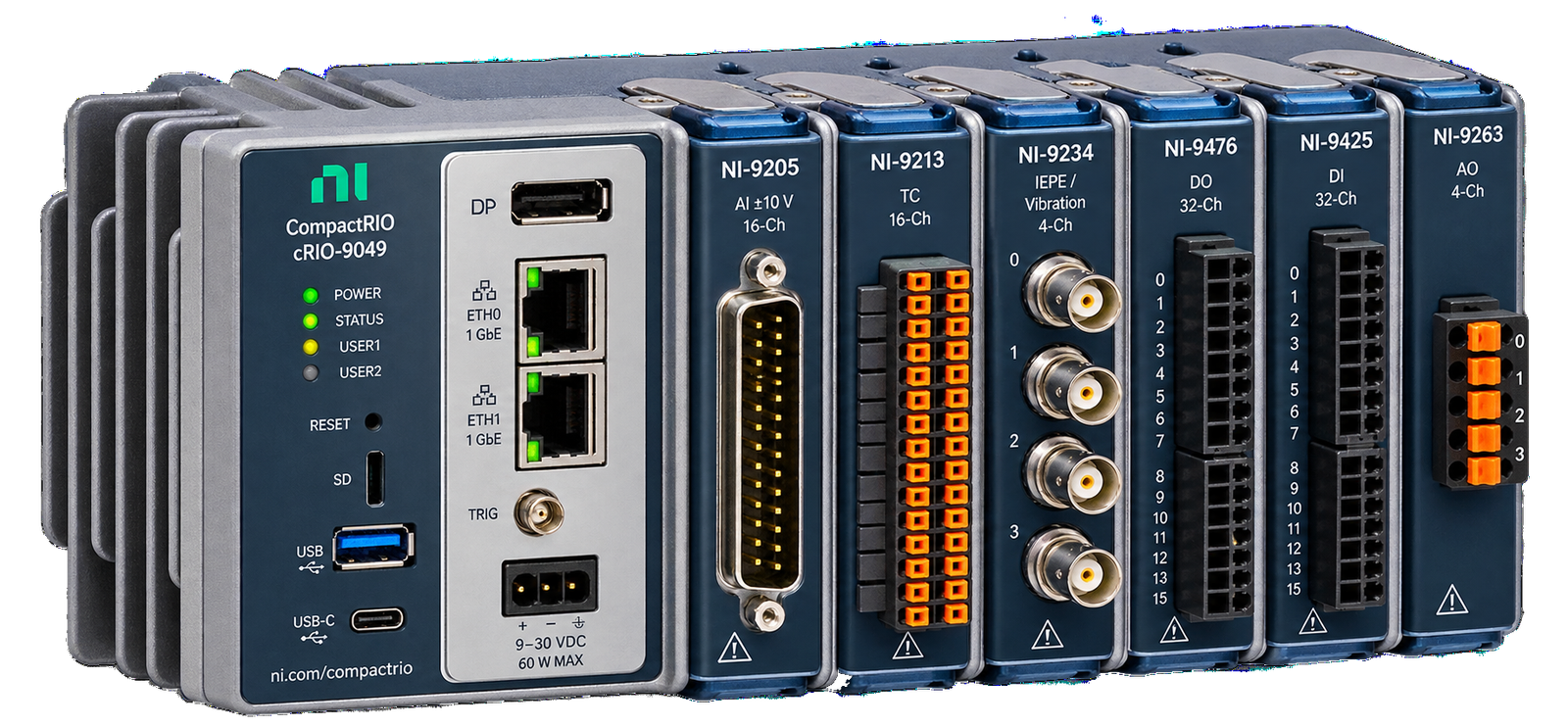
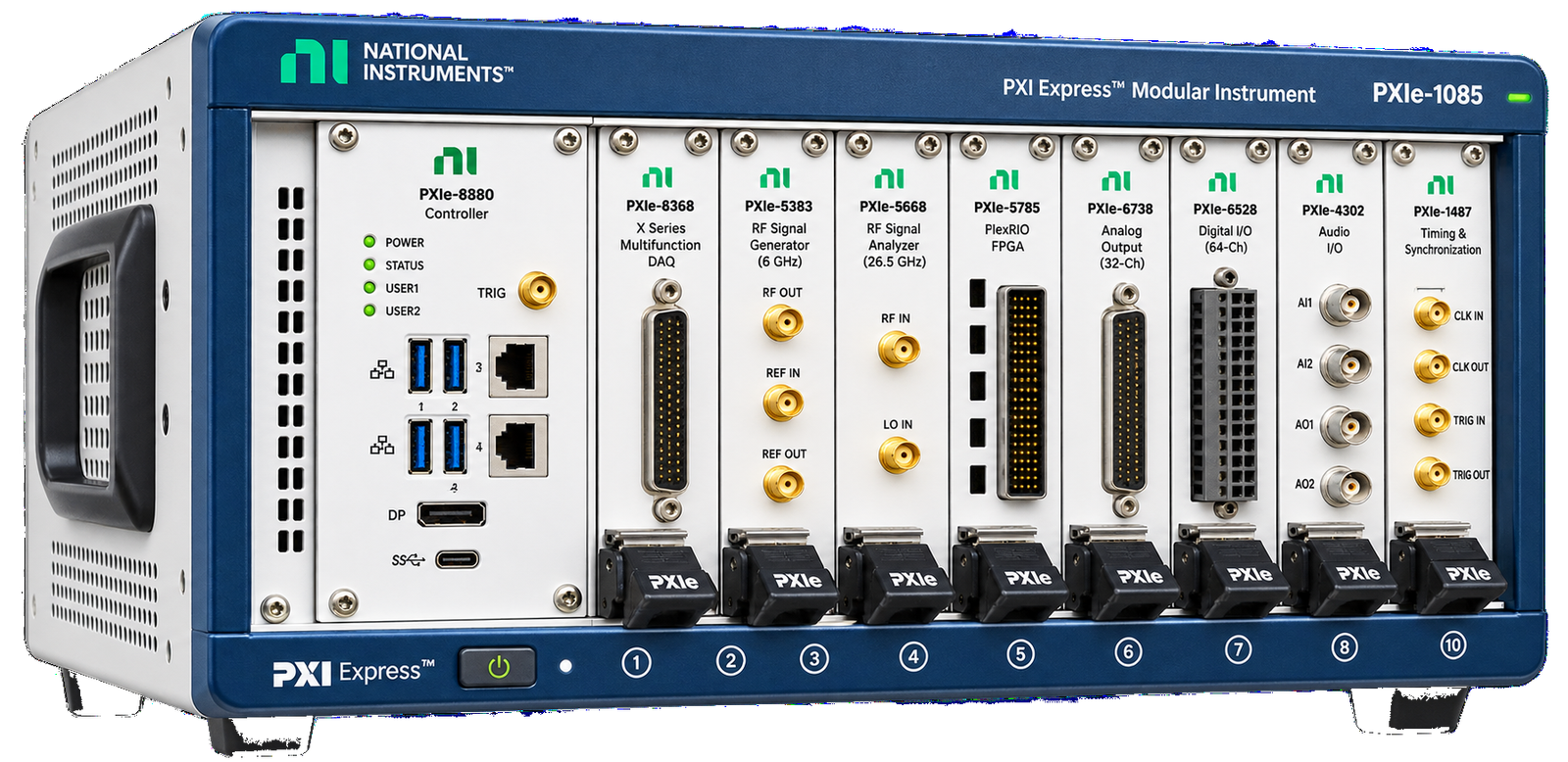
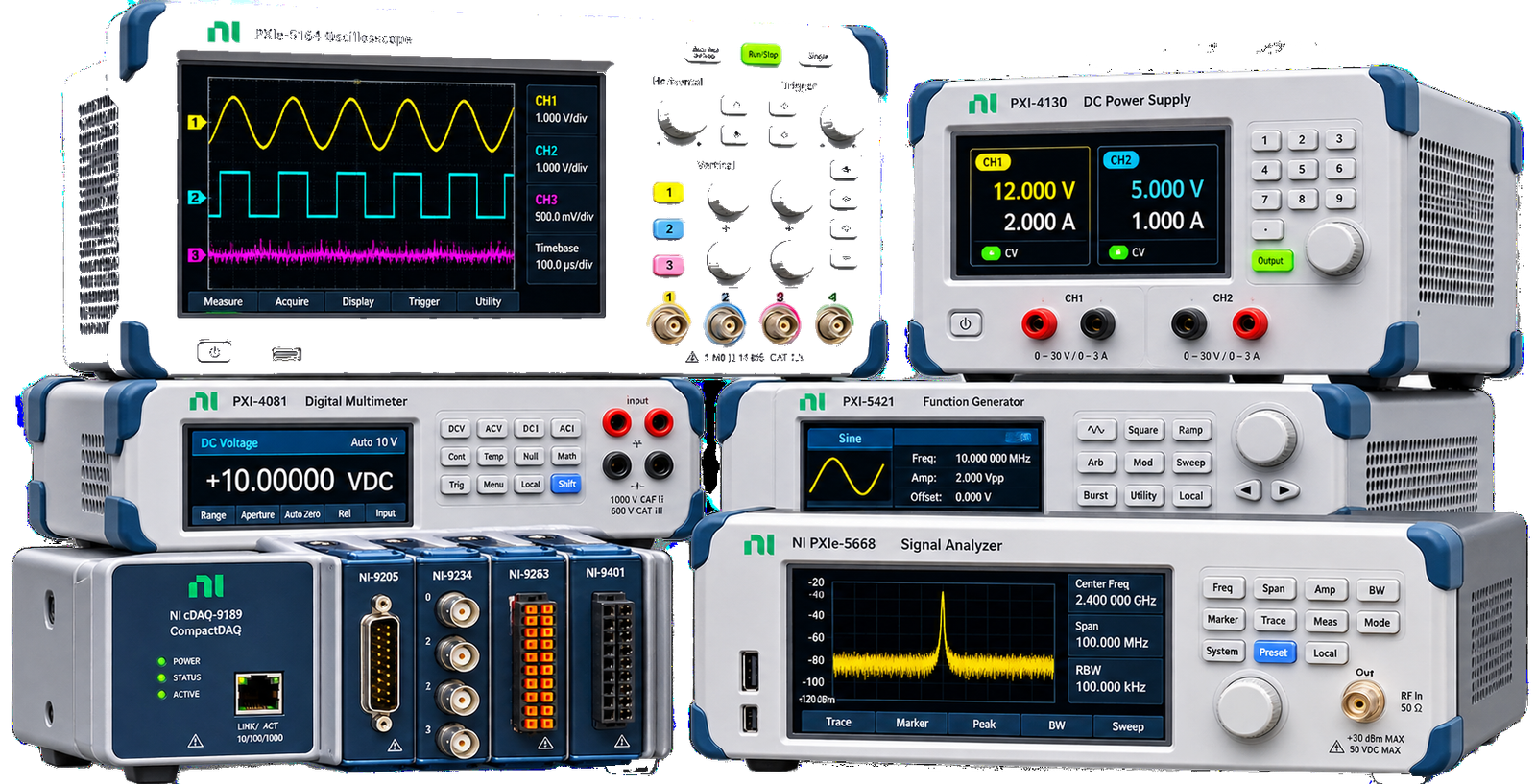
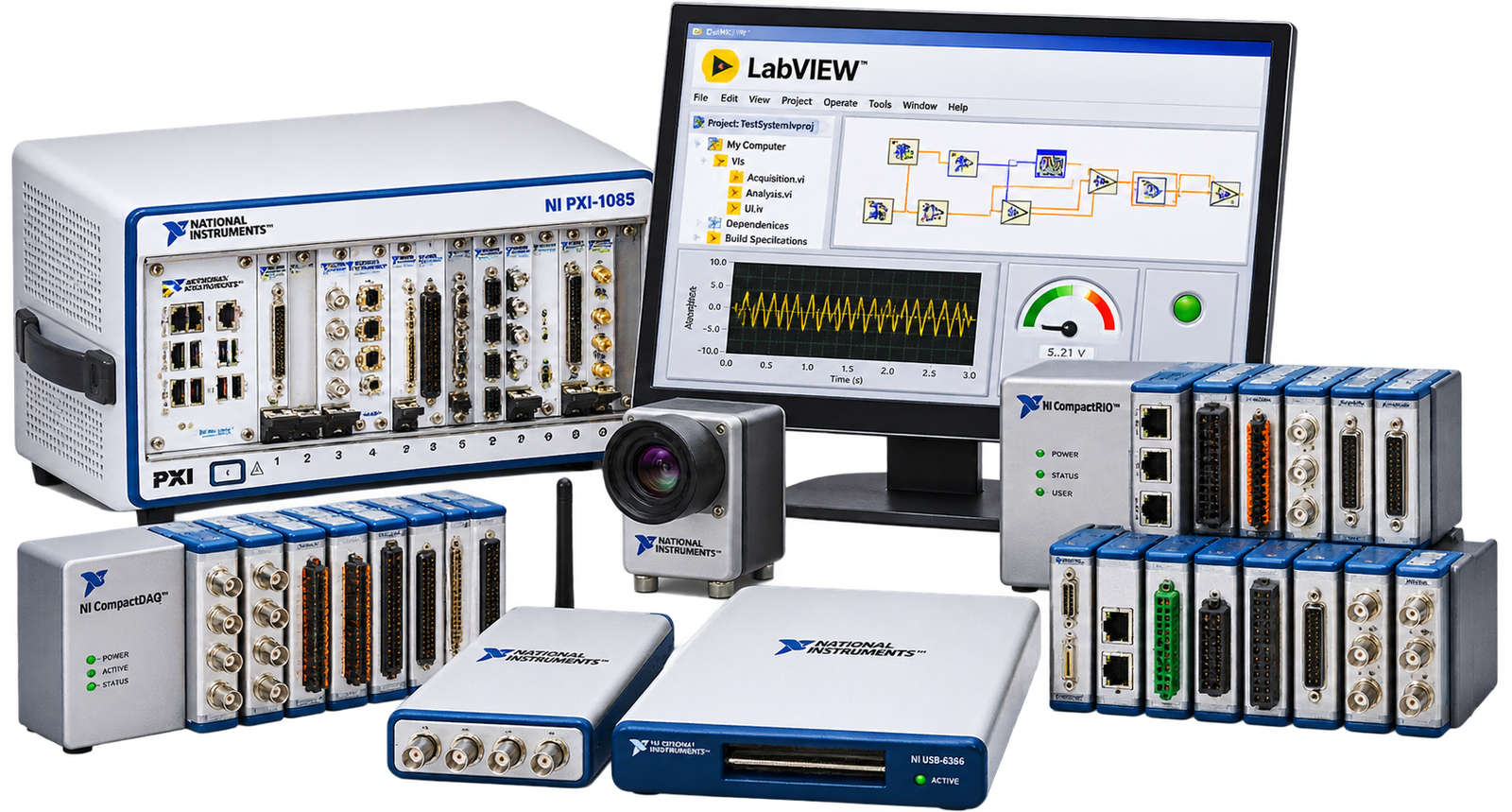
NI & Instrument Hardware Support
Seamless integration with industry-leading measurement hardware, controllers, sensors, and communication protocols.
Deterministic Execution & Memory Stability
Industrial software must run indefinitely without degradation. We benchmark every VI against strict execution criteria.
How We Ensure Code Quality
- Enforced VI Analyzer coding standards
- Complete elimination of local & global variables
- Exhaustive wire labeling & clean typedefs
- Automated unit testing with JKI VI Tester
Crash-Proof Execution
- Centralized error handling and recovery loops
- Strict unclosed-reference leak eradication
- Asynchronous decouple between UI and hardware
- Graceful hardware disconnect auto-recovery
Structured Engineering Lifecycle
From initial requirements elicitation to automated FAT/SAT deployment, our deterministic engineering lifecycle ensures zero runtime regressions.
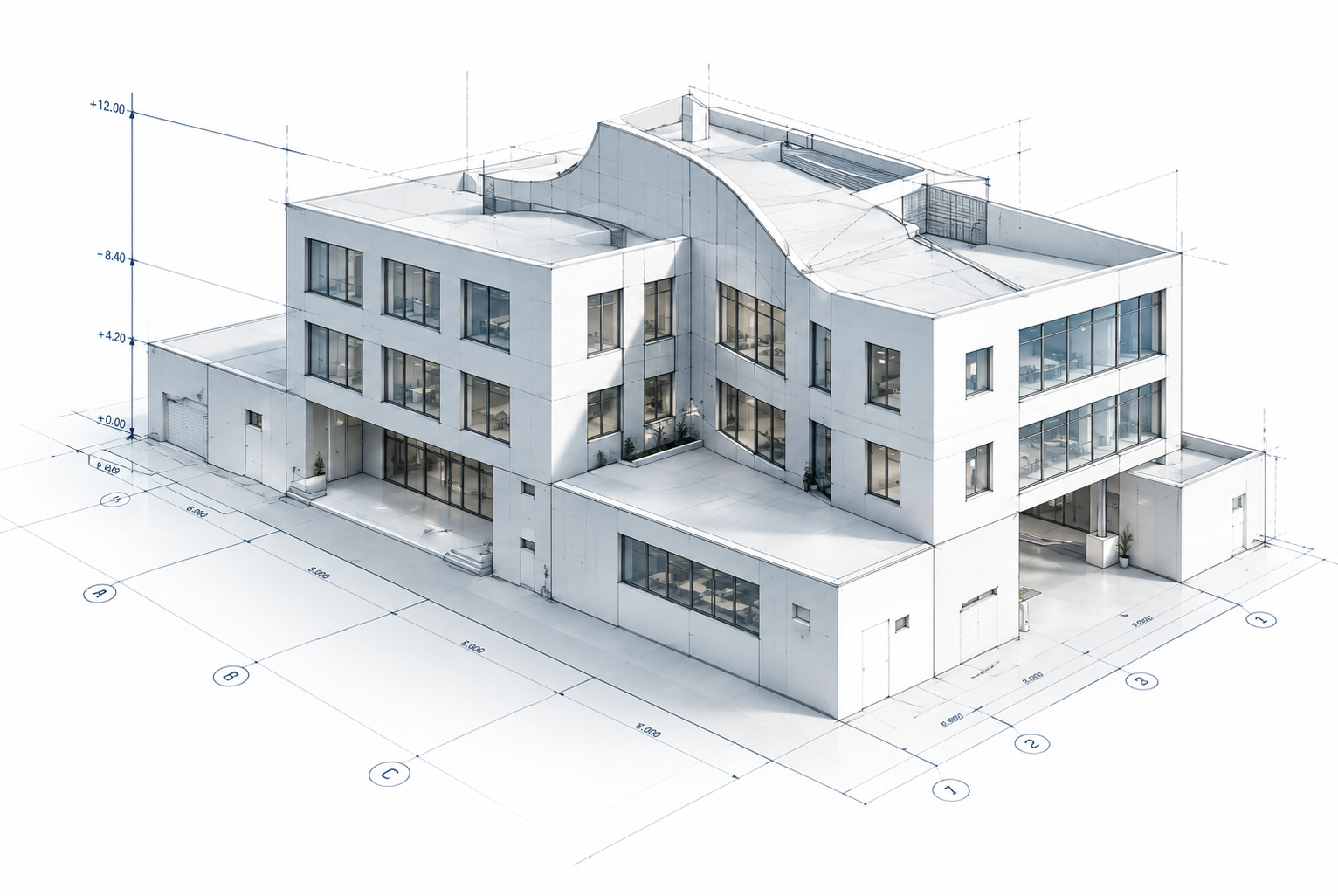
Software Requirements (SRS)
Formulate exhaustive specifications of test routines, signal limits, user access, and reporting formats.
- Test Routine Specification
- Signal Limit Matrix
- User Access & Audit Trail
- Initial FAT Criteria
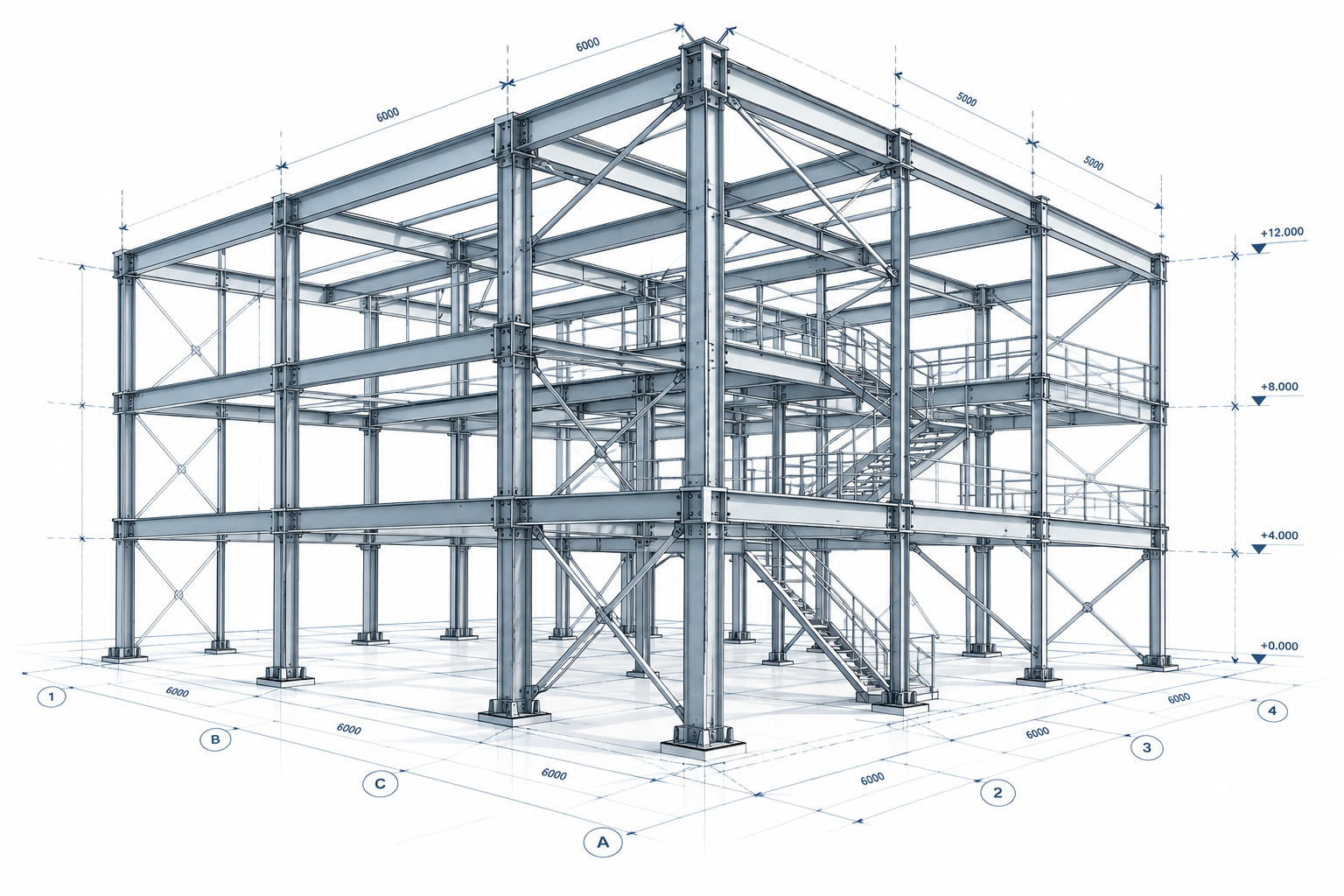
Architecture Blueprint
Draft module hierarchy, queue protocols, and class UML diagrams before writing code.
- Module Class UML Diagrams
- Queue / Event Channel Protocols
- Actor Tree & DQMH Modules
- HAL Interface Definitions
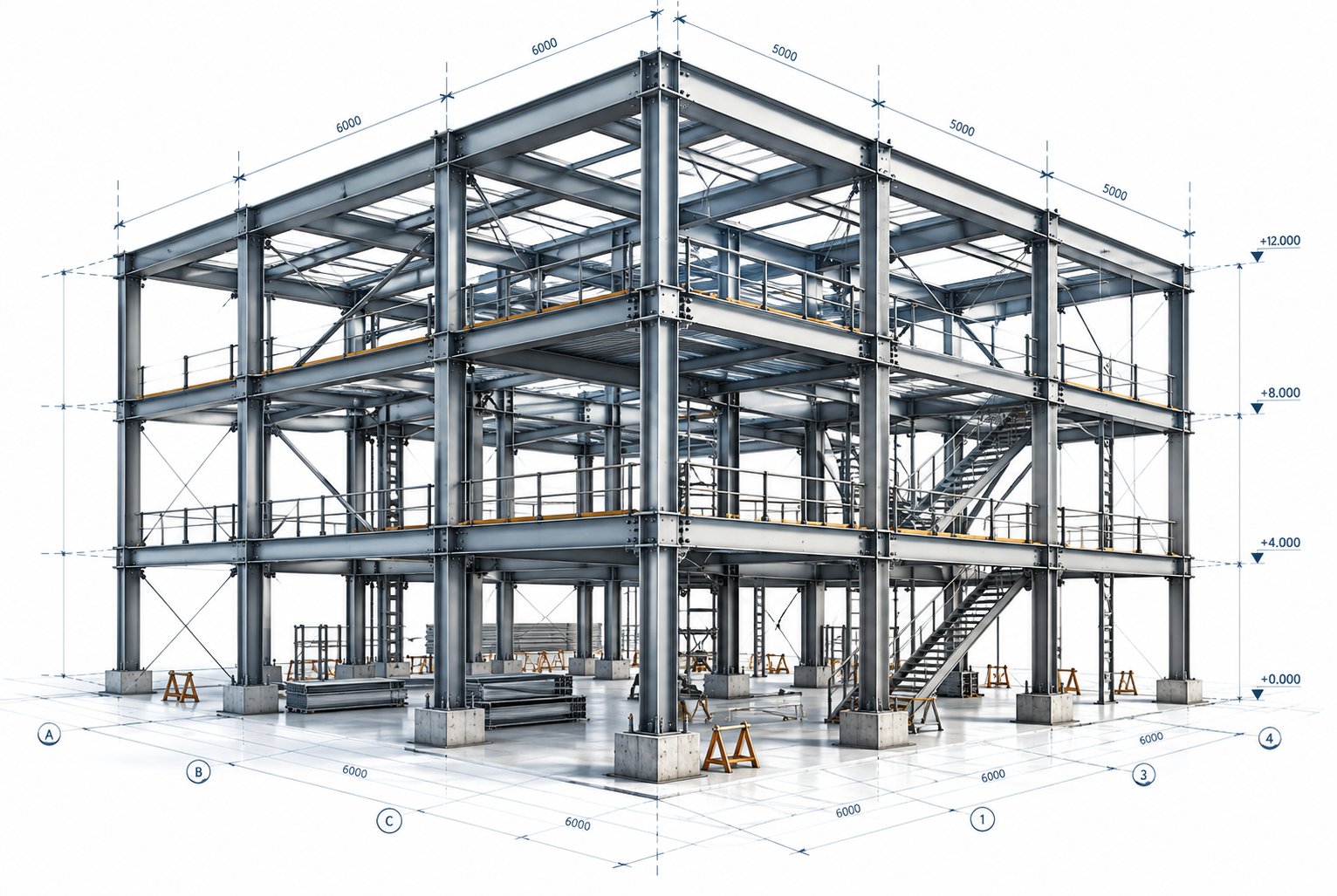
Hardware Abstraction (HAL)
Develop and verify instrument drivers and simulated stubs for early logic testing.
- Interchangeable Instrument Drivers
- SCPI / VISA Protocol Adapters
- Offline Simulation Stubs
- Hardware Loopback Verification
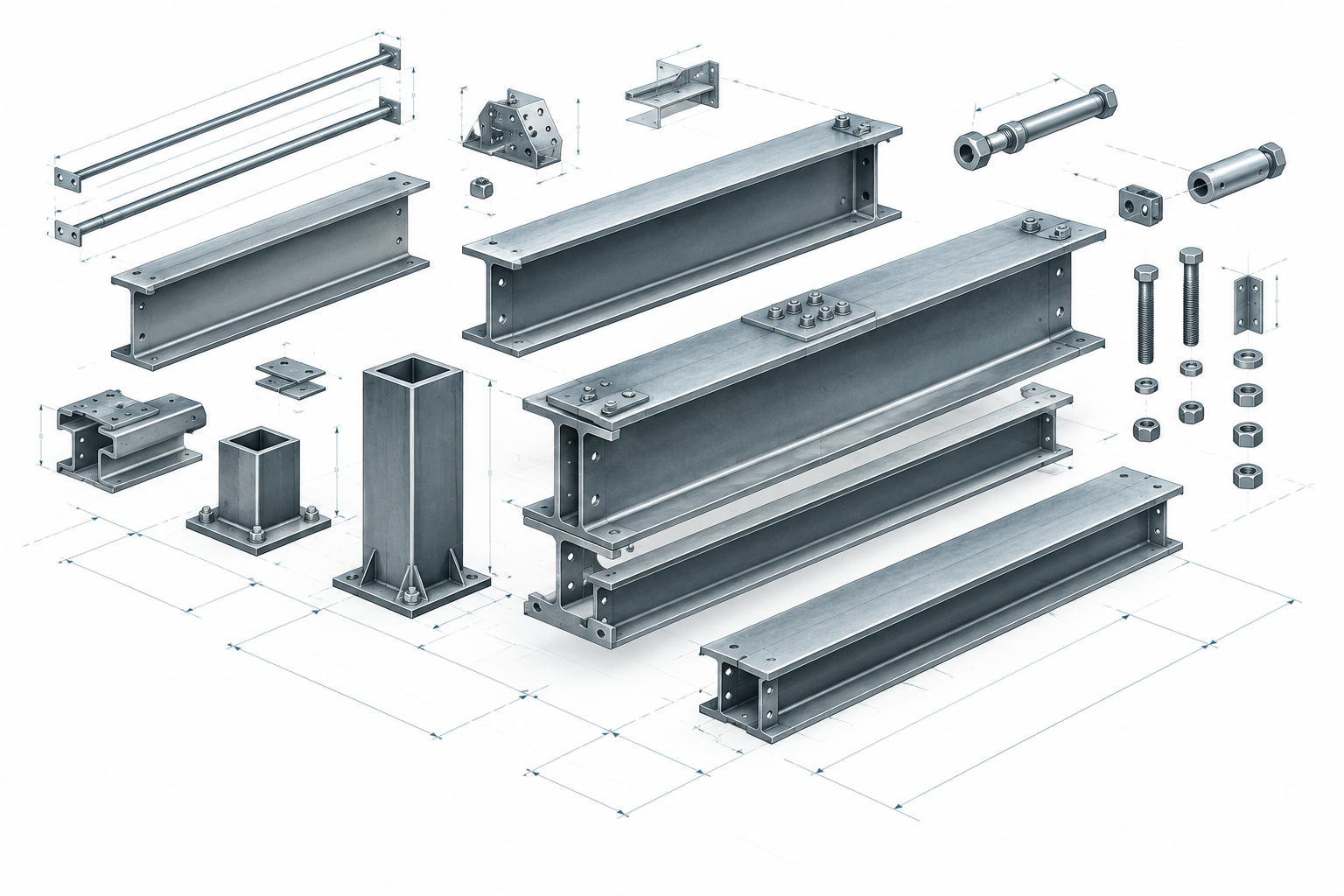
Core Module Implementation
Construct DQMH/Actor Framework engines, state transitions, and file I/O pipelines.
- Asynchronous Engine Implementation
- State Transition Handlers
- TDMS / Database Logging Engines
- SubVI Error Cluster Routing
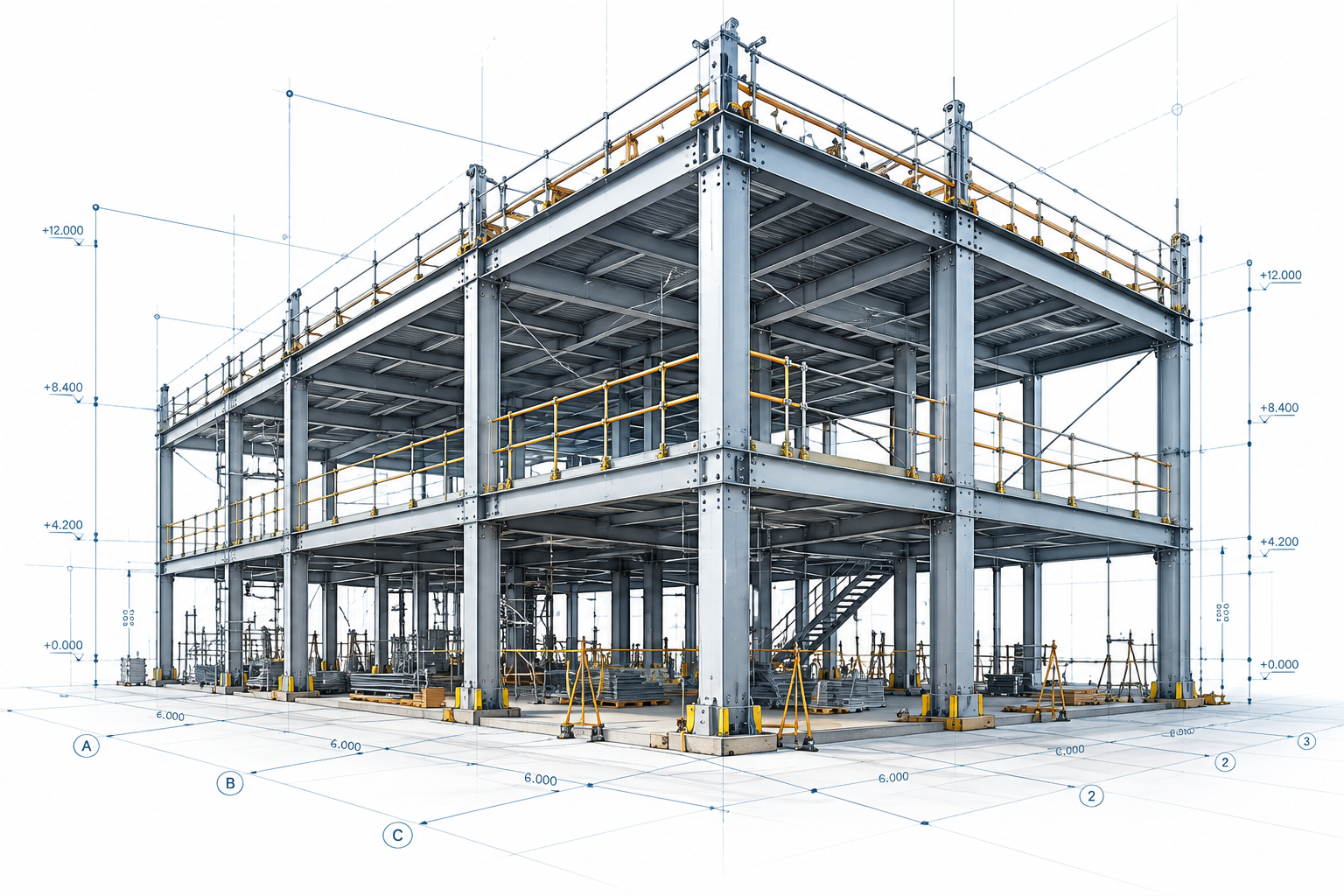
UI & Ergonomics Build
Assemble responsive front panels, calibration dialogs, and automated recipe loaders.
- Dynamic Subpanel Framework
- 24/7 Dark/Light Operator HMI
- Interactive Calibration Wizards
- Automated Recipe Batch Loaders
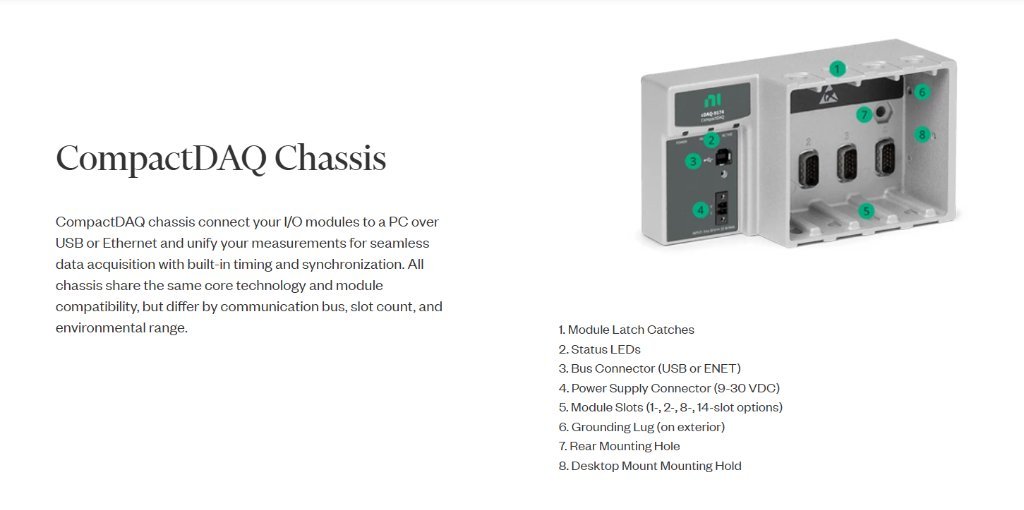
DETT Memory & Stress Audit
Run NI Desktop Execution Trace Toolkit to verify memory stability and timing bounds.
- 72-Hour Continuous Run Benchmark
- DETT Reference Leak Eradication
- Thread Execution Trace Report
- VI Analyzer Automated Code Score
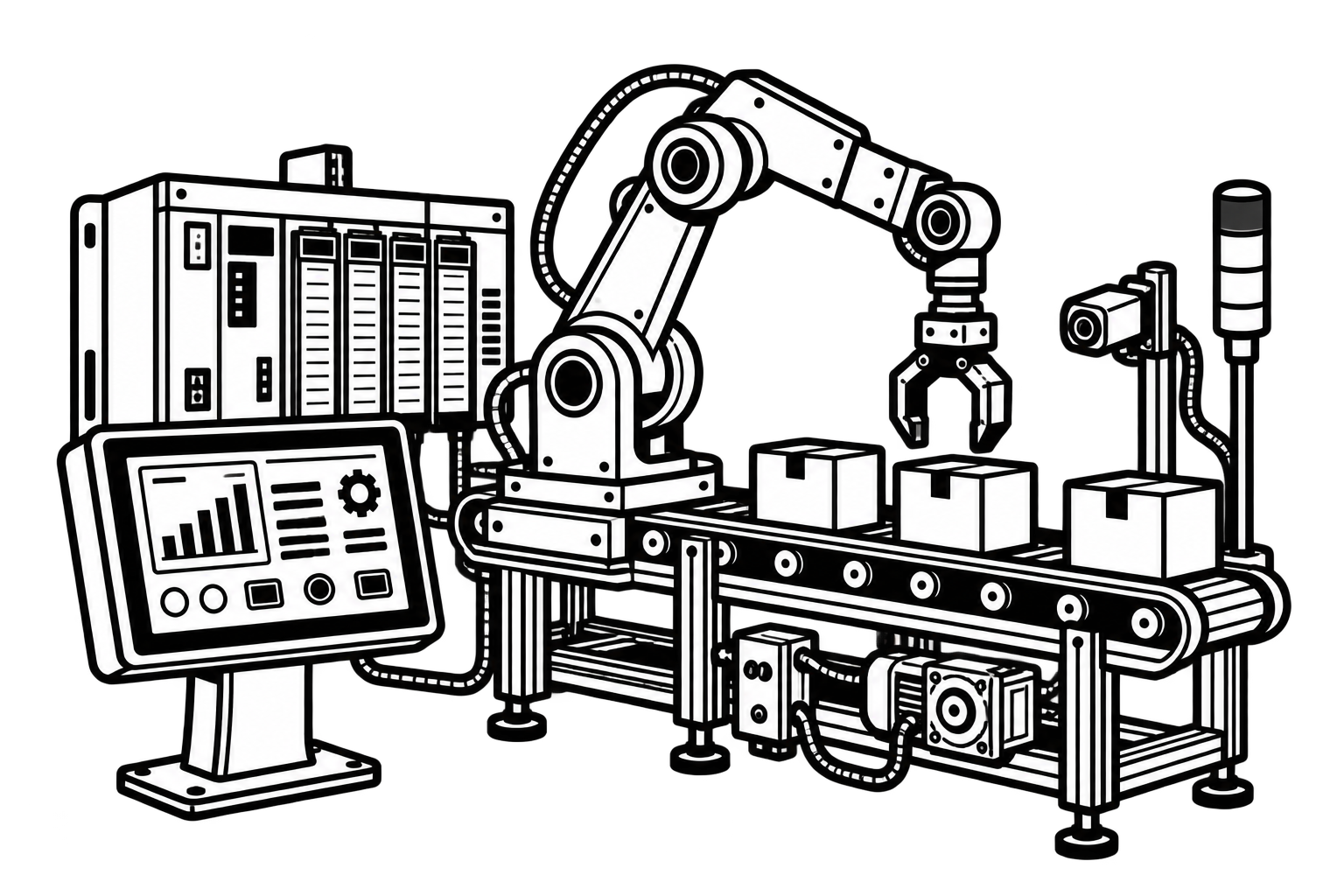
Site Acceptance Test (SAT)
Deploy to production hardware, conduct FAT/SAT verification, and deliver open source code.
- Final Standalone Executable (.exe)
- Factory Acceptance (FAT) Sign-Off
- Site Commissioning (SAT) Protocol
- Complete Uncompiled VI Source Code
What You Receive
A useful proposal starts with useful data. Every system we deliver is validated for throughput, hardware determinism, error recovery, and comprehensive lifecycle operating criteria.
Application Domains
Proven test, measurement, and automated validation platforms deployed across mission-critical global industrial sectors.
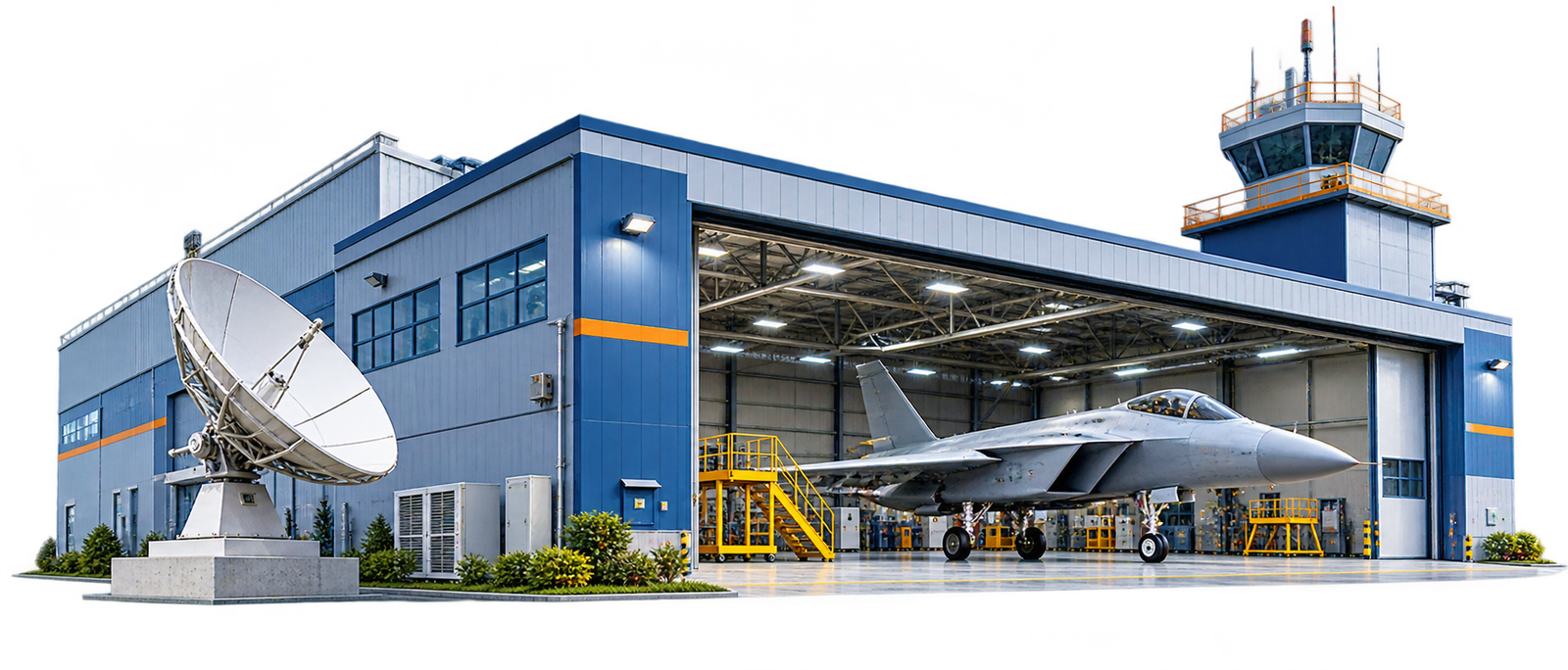
Aerospace & Defense Test Rigs
Automated validation for flight computers, actuators, telemetry feeds, and avionics bus communication (MIL-STD-1553, ARINC 429).
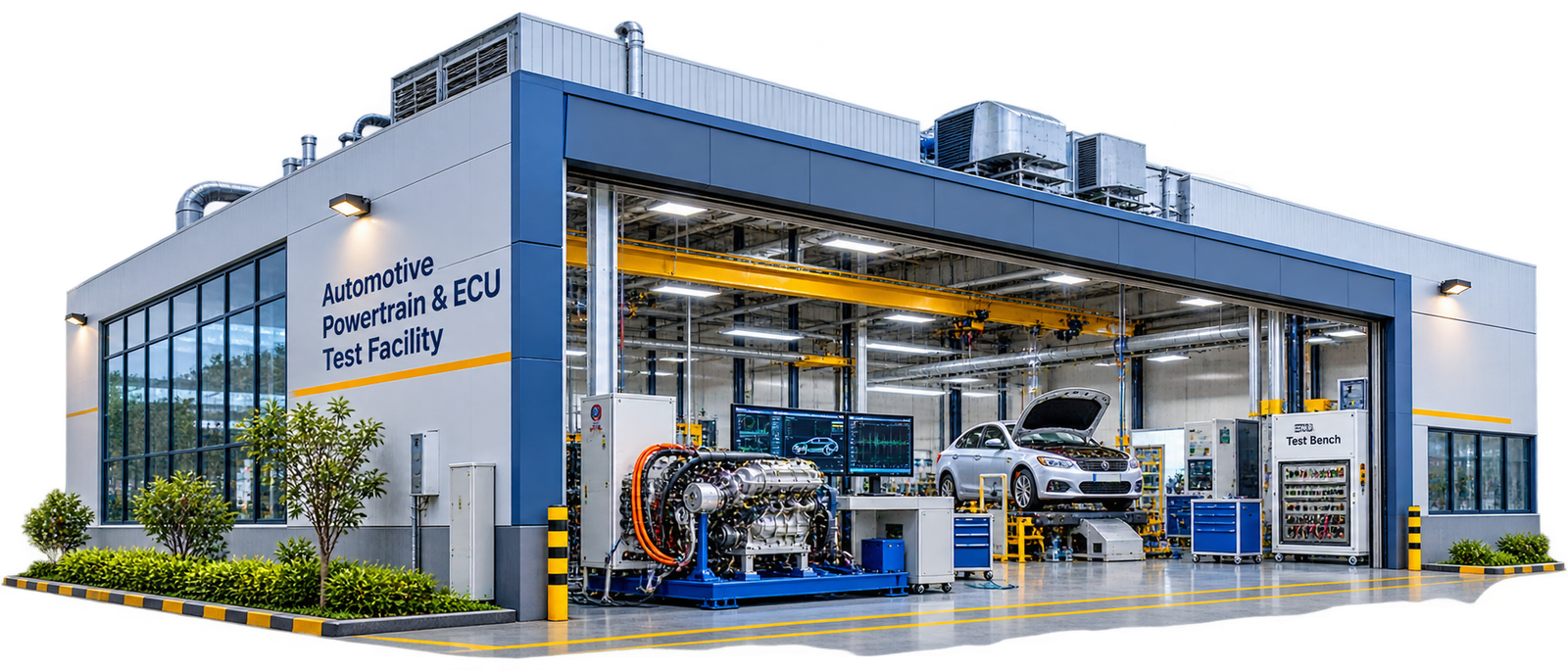
Automotive Powertrain & ECU
Automated test benches for engine management, inverters, electric motor dynamometers, and CAN/CAN-FD network profiling.
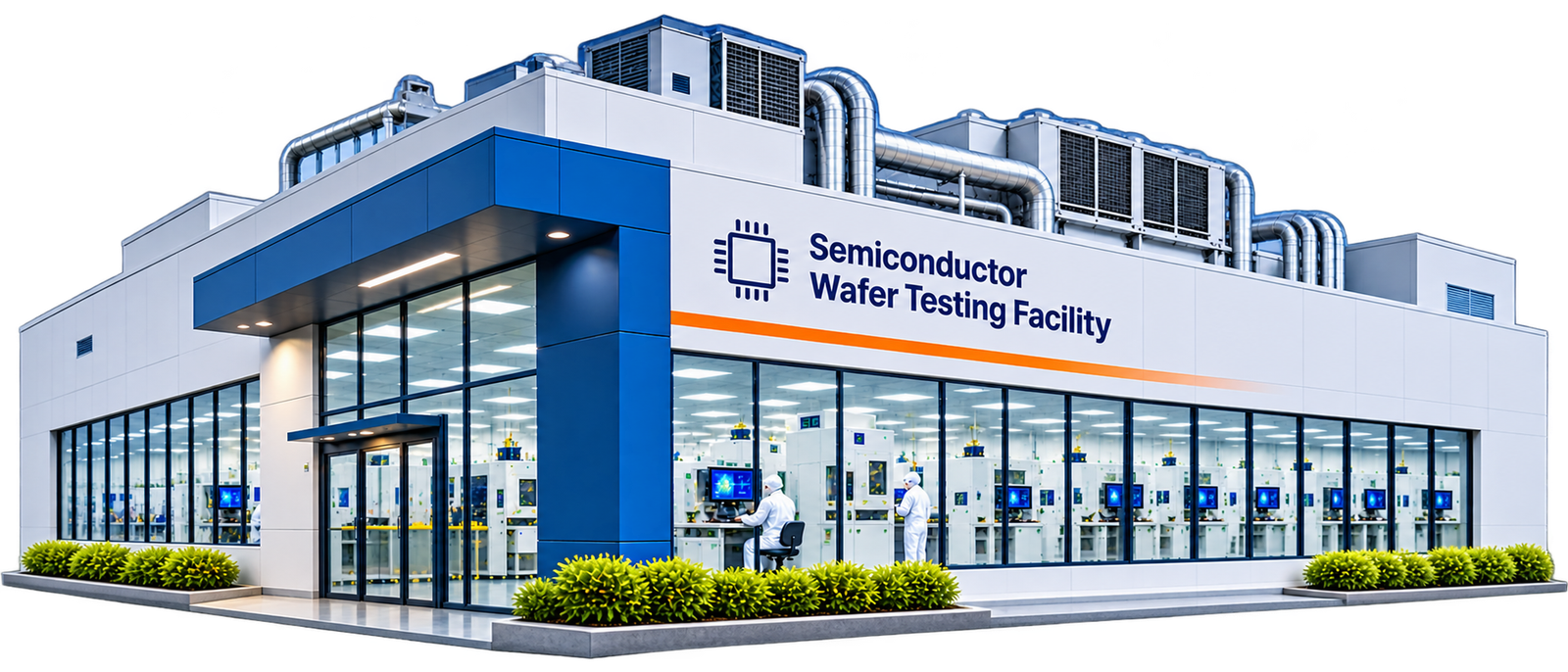
Semiconductor Wafer Testing
Multi-channel parametric testing, SMU automation, wafer probing, and high-precision temperature characterization.
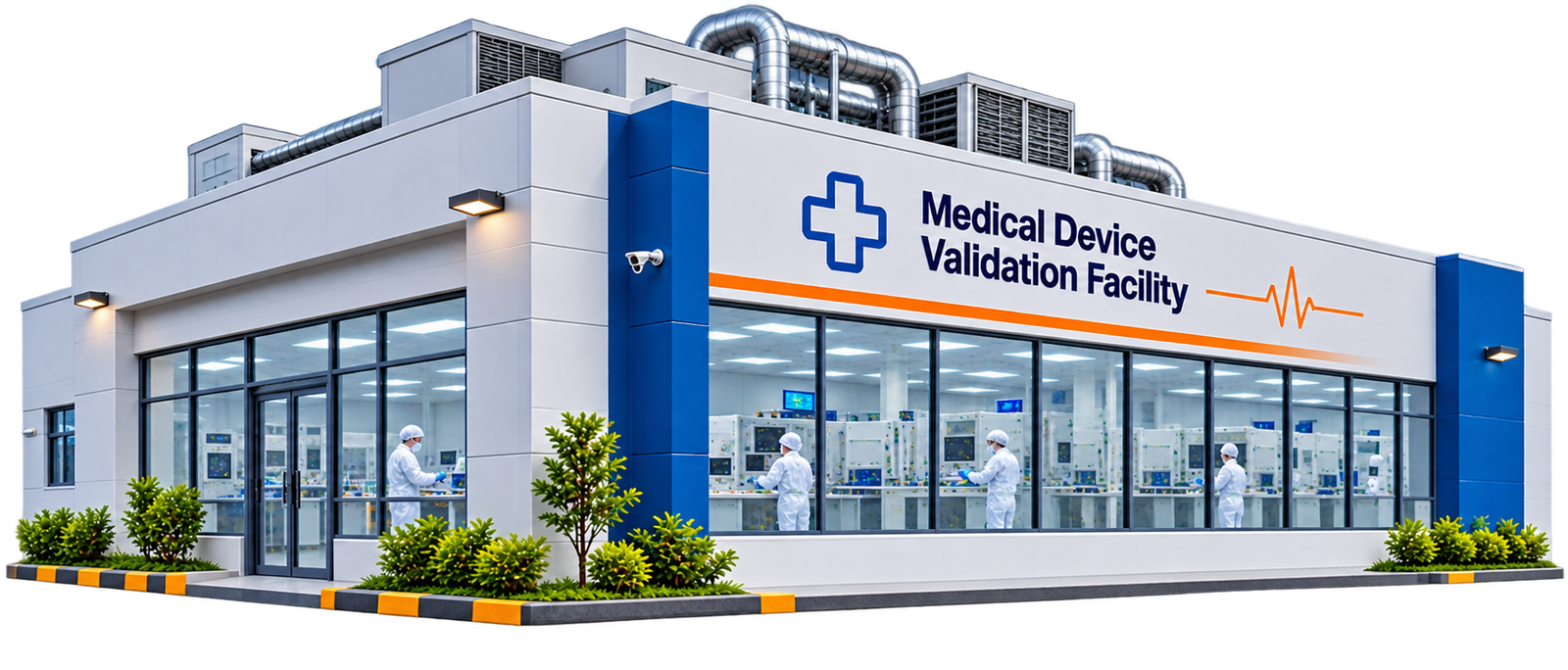
Medical Device Validation
Automated compliance rigs conforming to FDA 21 CFR Part 11 and ISO 13485 with encrypted audit logs and electronic signatures.
Why VEST Solutions
Why Choose Our Engineers?
Certified LabVIEW Architects and Hardware Integration Specialists delivering zero-defect deterministic automation.
Staffed by Certified LabVIEW Architects (CLA) & Developers (CLD)
Deep multi-vendor hardware driver mastery (NI, Keysight, Chroma, Tektronix)
Zero tolerance for spaghetti code and unhandled race conditions
Full open source code ownership handed over with zero lock-in

Proven track record across aerospace, automotive, and defense projects
Strict adherence to modern Git version control and CI/CD for LabVIEW
In-house mechanical, electrical, and software co-design capabilities
Guaranteed 24-hour response SLA for production support
Architectural Truth: Design Matters
Anyone can drag wires in LabVIEW and make a sensor read data on day one. Engineering software that runs 365 days a year without crashing requires deep computer science discipline.
When to invest in modular frameworks (DQMH / Actor)
- Systems with multiple independent hardware instruments running concurrently
- Applications with more than 3 distinct operating modes or test sequences
- Multi-developer teams requiring merge-conflict-free git branching
- Systems planned for long-term expansion and multi-year product lifecycles
When simpler state machines are sufficient
- Single-instrument laboratory proof-of-concept setups
- Simple logging benches with straightforward start/stop workflows
- Fixed-purpose calibration fixtures with no planned feature additions
- Tight-budget academic bench setups with single-operator usage
Costly LabVIEW Architecture Mistakes
Architectural pitfalls that turn scalable test systems into unmaintainable legacy technical debt.
Using global variables for synchronization
Global variables cause intermittent race conditions that only appear under factory load. We use thread-safe queues, notifiers, or message channels.
Neglecting unclosed references
Leaving DAQ tasks, VISA sessions, or file references unclosed inside loops causes continuous RAM consumption until Windows crashes the app.
Processing data inside UI events
Placing heavy math or disk I/O in the event structure freezes the front panel, rendering Stop and Abort buttons completely unresponsive.
Hardcoding hardware resource names
Hardcoding 'COM3' or 'Dev1' breaks the software when a USB cable is swapped. We implement dynamic hardware configuration files and auto-detection.
Ignoring error cluster propagation
Unwired error terminals cause hidden silent failures. We route error clusters through all subVIs to maintain complete operational observability.
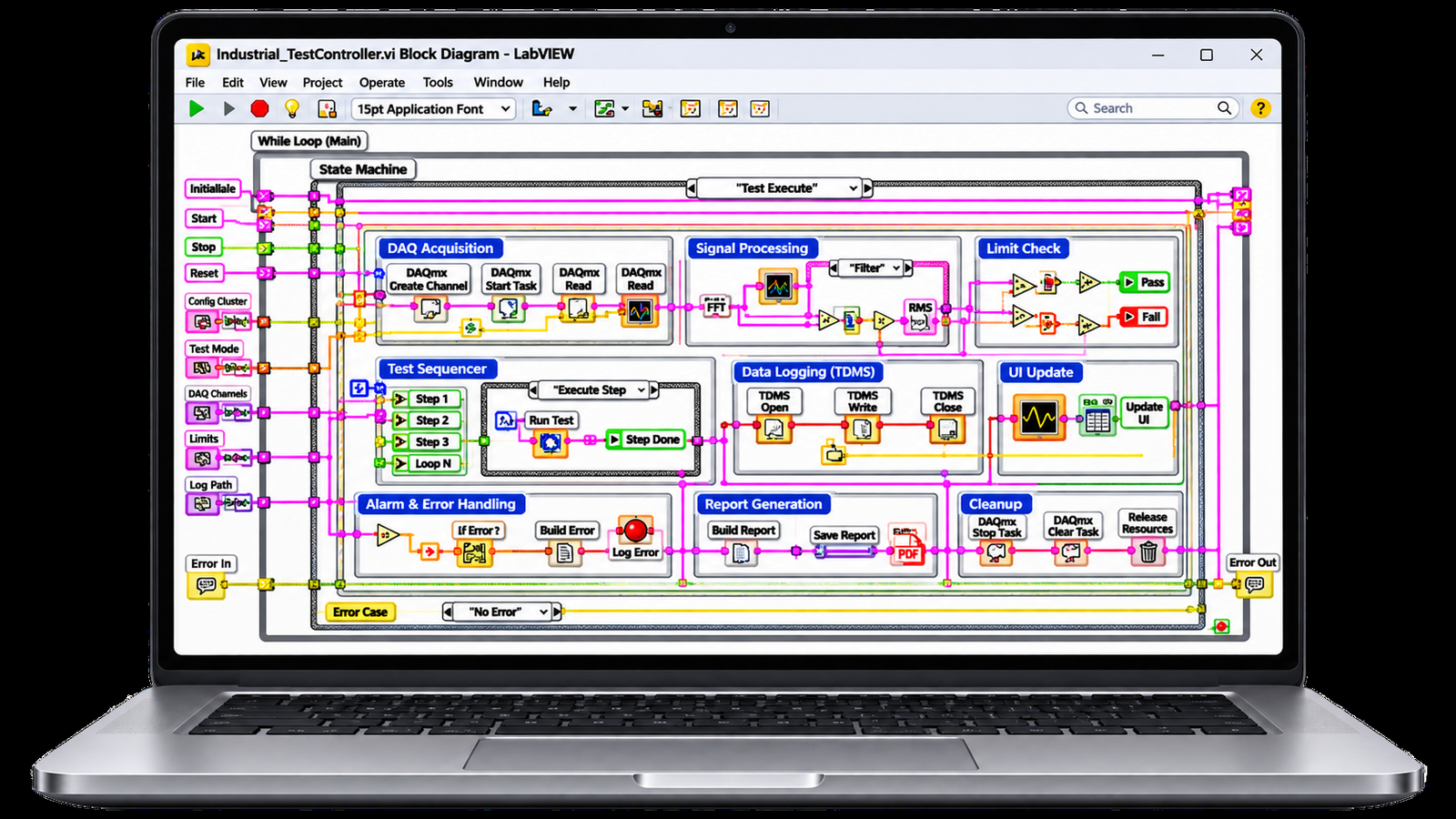
Building monolithic block diagrams
Giant block diagrams that require multi-screen scrolling are unmaintainable. We structure code into hierarchical subVIs no larger than one screen.
Frequently Asked Questions
Answers to technical questions regarding architecture patterns, instrument drivers, FAT/SAT deployment, and full source code ownership.