Legacy LabVIEW Code Refactoring &System Modernization
Transform fragile, crashing spaghetti codebases into robust, modular, and maintainable LabVIEW architectures while preserving your proven hardware validation.
.png)
Refactoring & Modernization Capabilities
High-throughput test and measurement capabilities engineered to eliminate spaghetti code and deliver deterministic factory-floor execution.
Spaghetti Code Unraveling
Restructure giant multi-screen block diagrams into clean, hierarchical subVIs with standardized connector panes and clear dataflow.
- ✓SubVI extraction & modularization
- ✓Elimination of sequence structures
- ✓Consistent error cluster chaining
- ✓Elimination of hidden wire bends & tunnels
Race Condition & Deadlock Elimination
Replace uncoordinated parallel while loops and global variables with thread-safe queues, notifiers, and Delacor message channels.
- ✓Global & local variable eradication
- ✓Thread-safe FIFO queue synchronization
- ✓Producer-Consumer decoupled loops
- ✓Deterministic state machine control
Memory Leak Eradication
Identify and close unreleased VISA sessions, DAQmx tasks, file handles, and continuously growing array shift registers.
- ✓Desktop Execution Trace Toolkit profiling
- ✓Automated reference closing subVIs
- ✓Pre-allocated buffer management
- ✓Decimated graph rendering pipelines
LabVIEW 2024+ 64-Bit Migration
Upgrade legacy 32-bit LabVIEW 6.0–2015 applications to native 64-bit LabVIEW 2024+, unlocking access to multi-gigabyte RAM spaces.
- ✓Obsolete ActiveX & .NET replacement
- ✓Legacy Traditional NI-DAQ to NI-DAQmx
- ✓Serial port VISA modernization
- ✓64-bit Windows 11 compliance
Automated Regression Test Harnesses
Build automated unit test suites that verify mathematical calculations and state transitions before and after refactoring.
- ✓JKI VI Tester automated execution
- ✓Hardware simulation replay stubs
- ✓Bit-for-bit math verification
- ✓Git version-controlled test reports
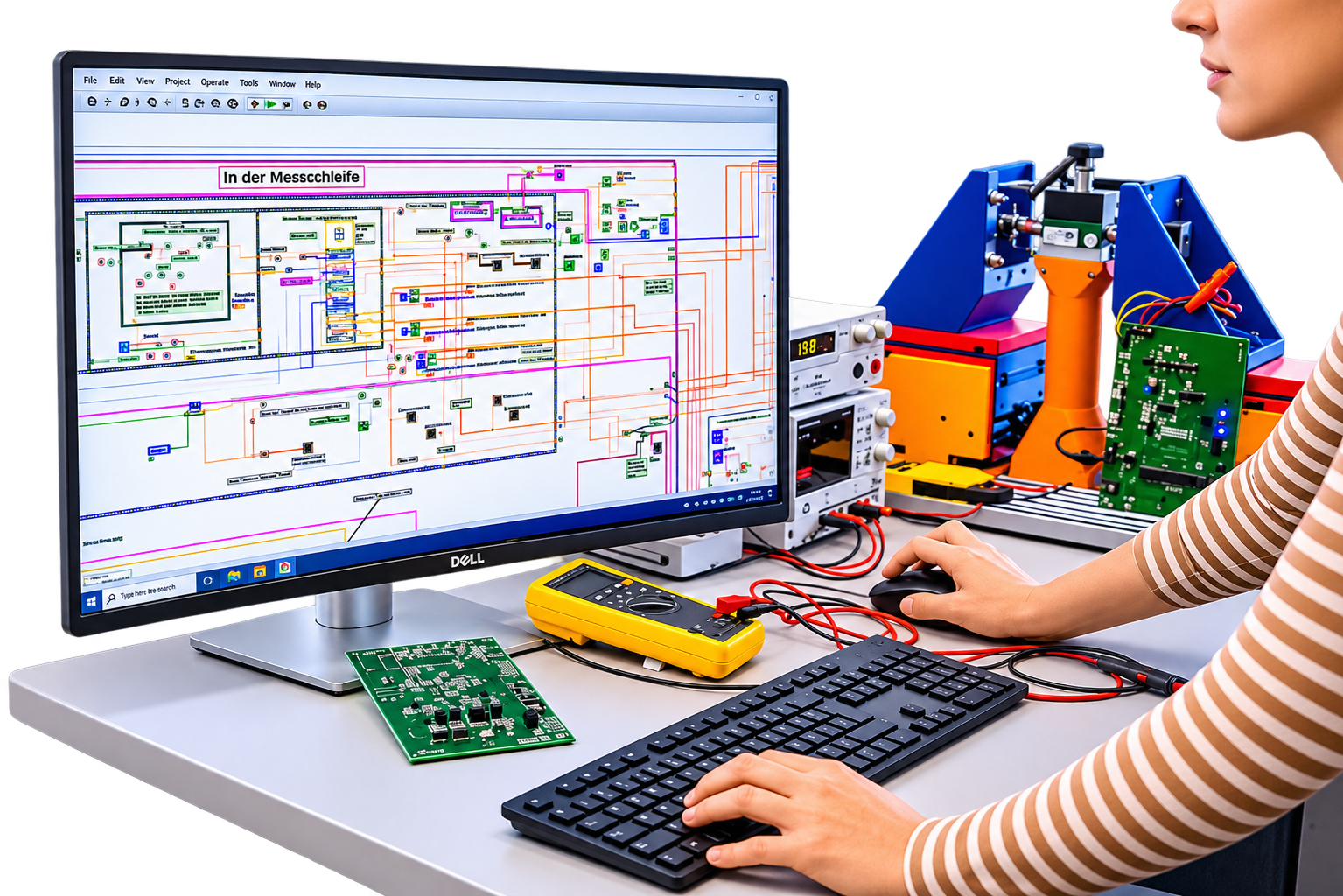
Rescuing Mission-Critical Systems from Technical Debt
Many manufacturing lines and aerospace test benches rely on 10- or 15-year-old LabVIEW codebases originally written by engineers who have long since left the company. Over the years, patches and emergency modifications turn the block diagrams into an unmaintainable tangled mess of global variables, race conditions, and random crashes.
At VEST Solutions, we specialize in legacy LabVIEW code refactoring. We audit, decouple, and systematically modernize your software into certified modular frameworks like DQMH and Actor Framework, upgrading obsolete hardware drivers and migrating to modern 64-bit LabVIEW 2024+ without breaking your physical test process.
Modernized Modular Architecture Patterns
Industrial-grade design patterns engineered to replace monolithic code with modular, testable, and maintainable LabVIEW frameworks.
Delacor QMH (DQMH)
The ideal target for refactored systems. Replaces unmaintainable state machines with standalone modules that can be started, stopped, and tested independently.
Hardware Abstraction Layer (HAL)
Insulates legacy test routines from underlying physical instruments. Replacing an old GPIB meter with a modern PXI card requires zero changes to test logic.
Lossless Producer–Consumer
Ensures that high-speed sensor acquisition runs uninterrupted at top priority, with data queued to consumer loops for processing and disk writes.
Centralized Error Dispatcher
Replaces silent errors and cryptic dialog boxes with an enterprise error handler that logs stack traces, timestamps, and safe fallback states.
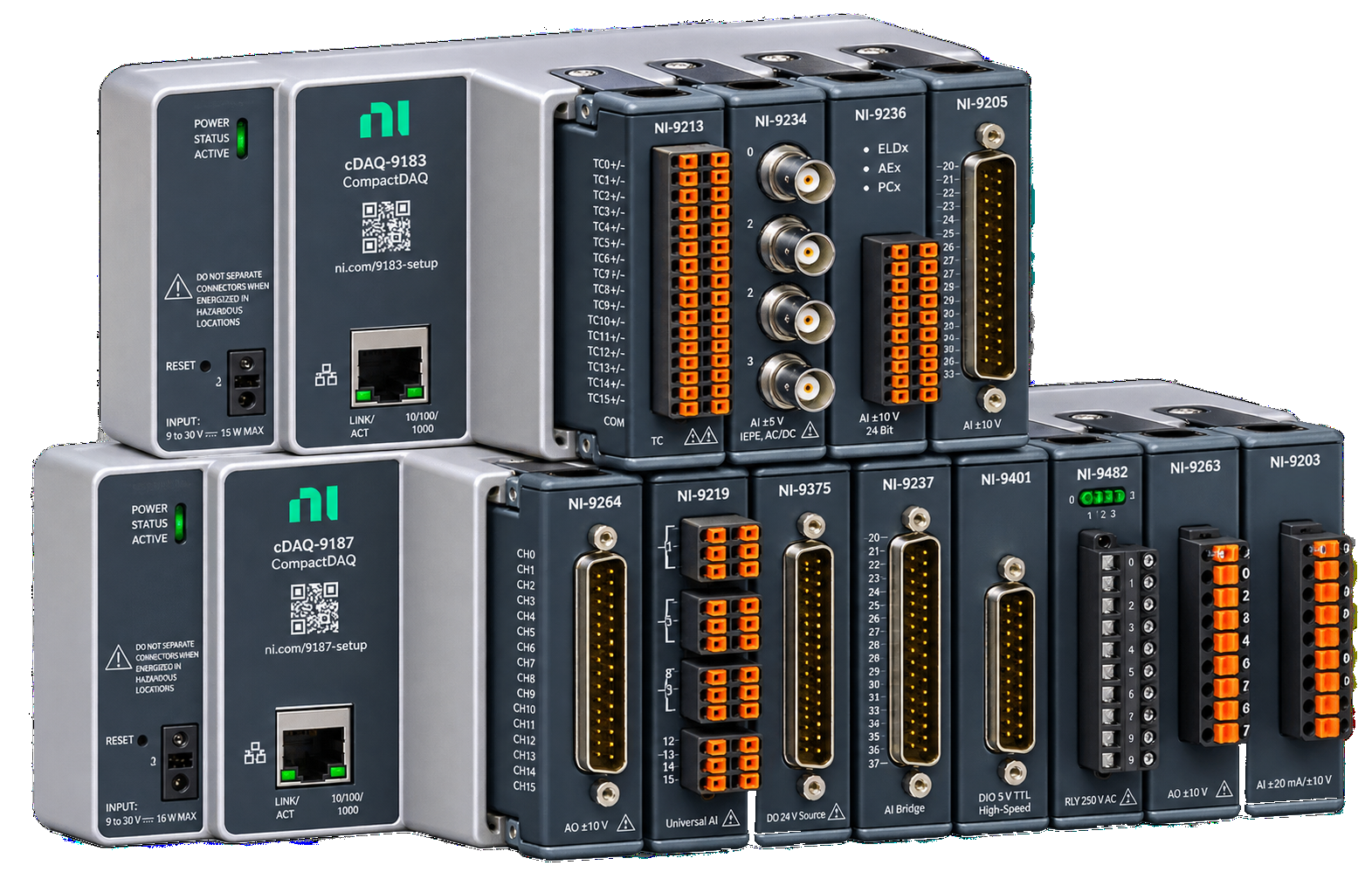
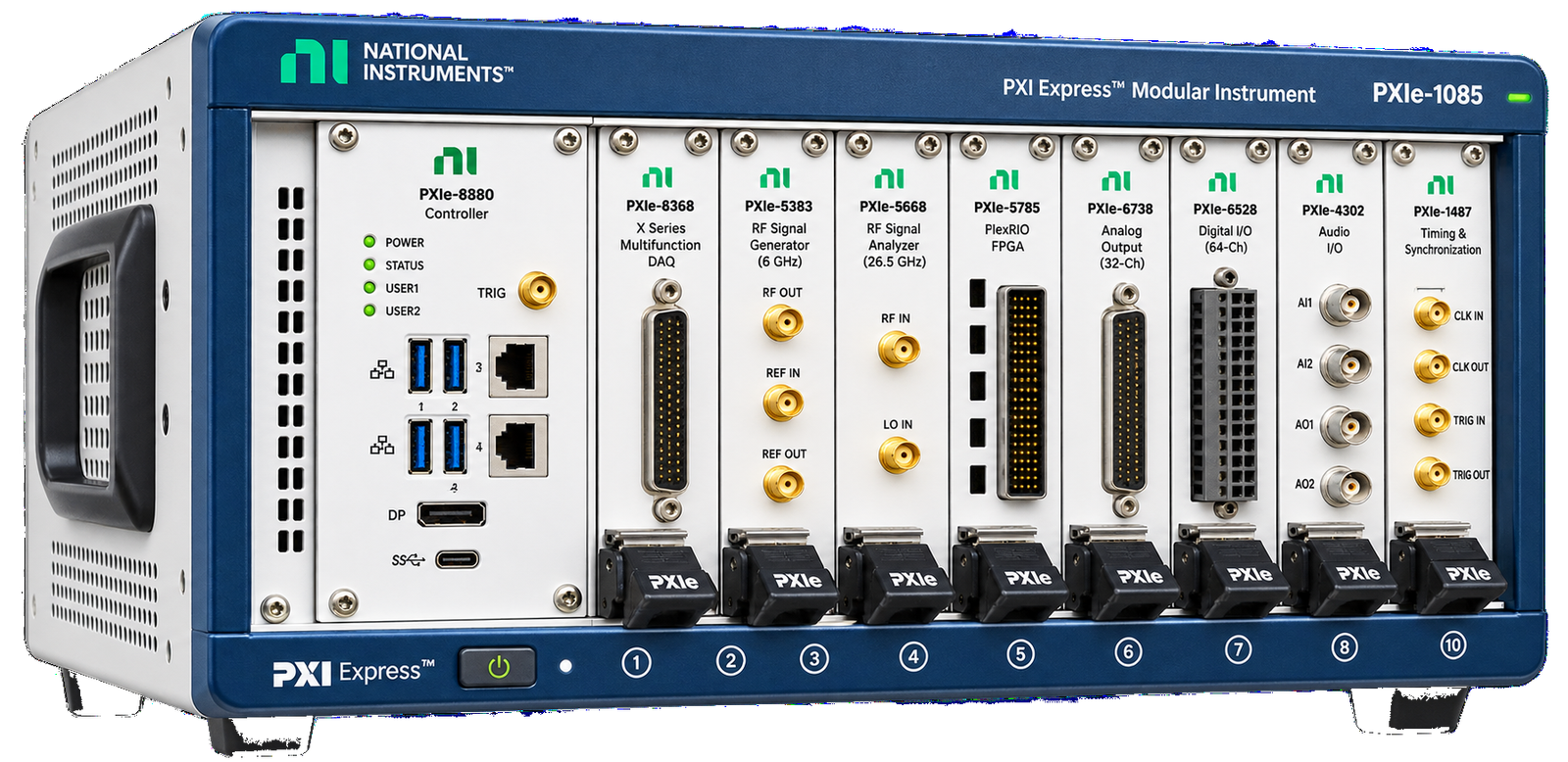
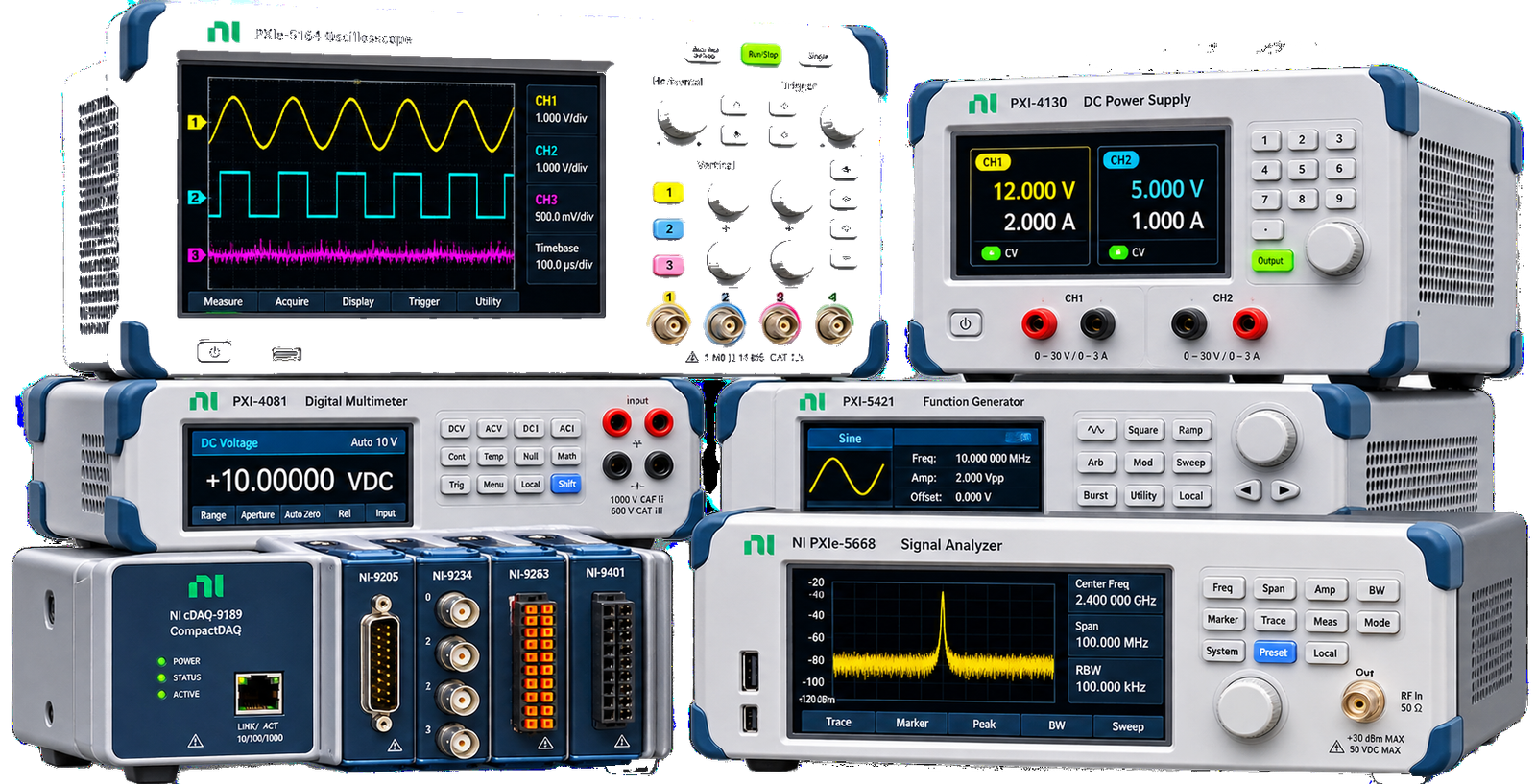
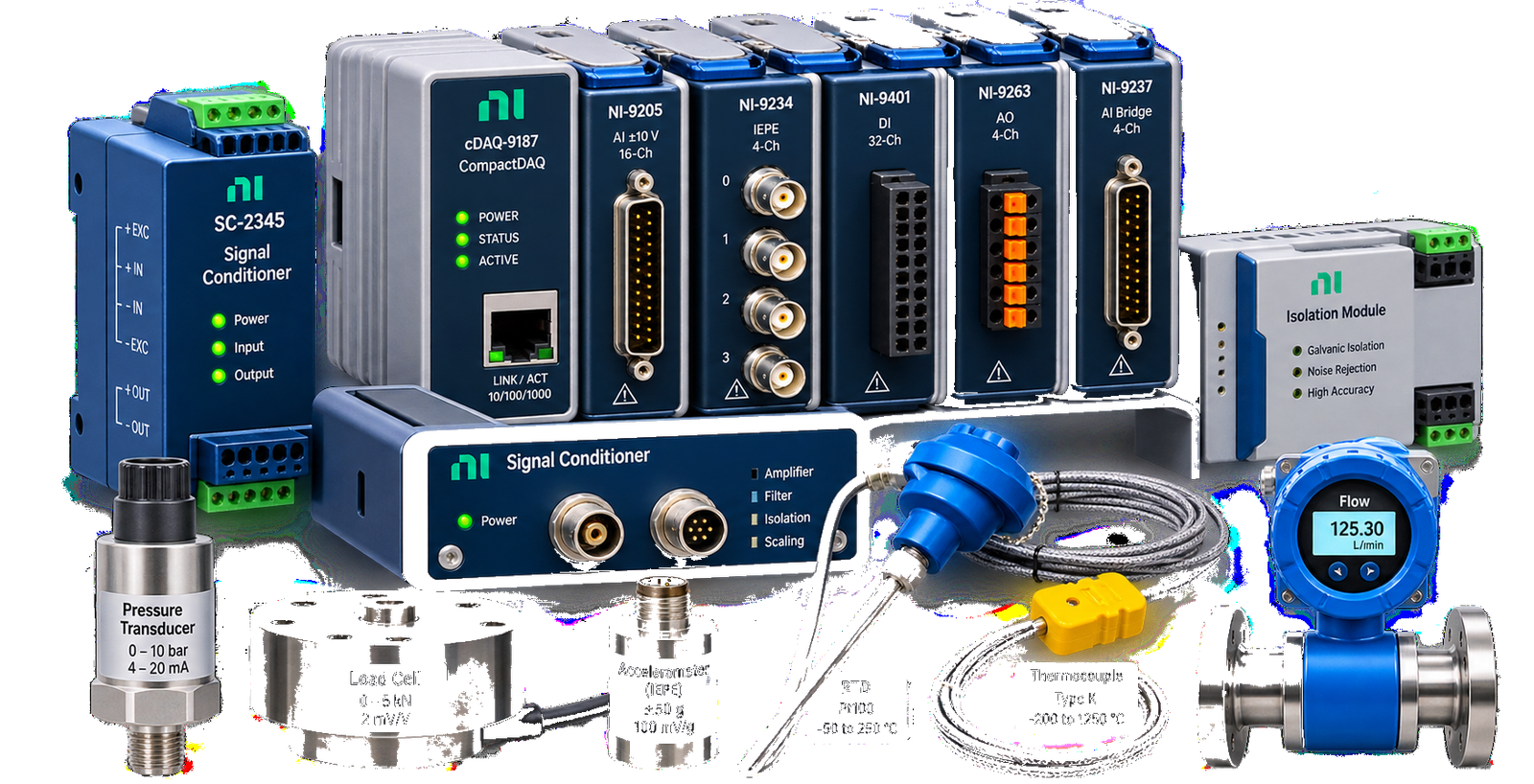
Upgrading Obsolete Hardware Systems
Seamless integration with industry-leading measurement hardware, controllers, sensors, and communication protocols.
Measurable Performance Improvements
We deliver quantifiable metrics proving stability, responsiveness, and resource efficiency.
What We Eradicate
- Intermittent race conditions that only happen under load
- Silent unhandled error codes that corrupt test data
- Freezing UI front panels that lock out emergency stops
- Memory leaks requiring daily machine reboots
What You Gain
- Clean subVI block diagrams fitting on a single monitor
- Built-in standalone API testers for every module
- Complete Git version-controlled history and branches
- Confidence to add new features without breaking existing code
Step-by-Step Refactoring Roadmap
From initial requirements elicitation to automated FAT/SAT deployment, our deterministic engineering lifecycle ensures zero runtime regressions.
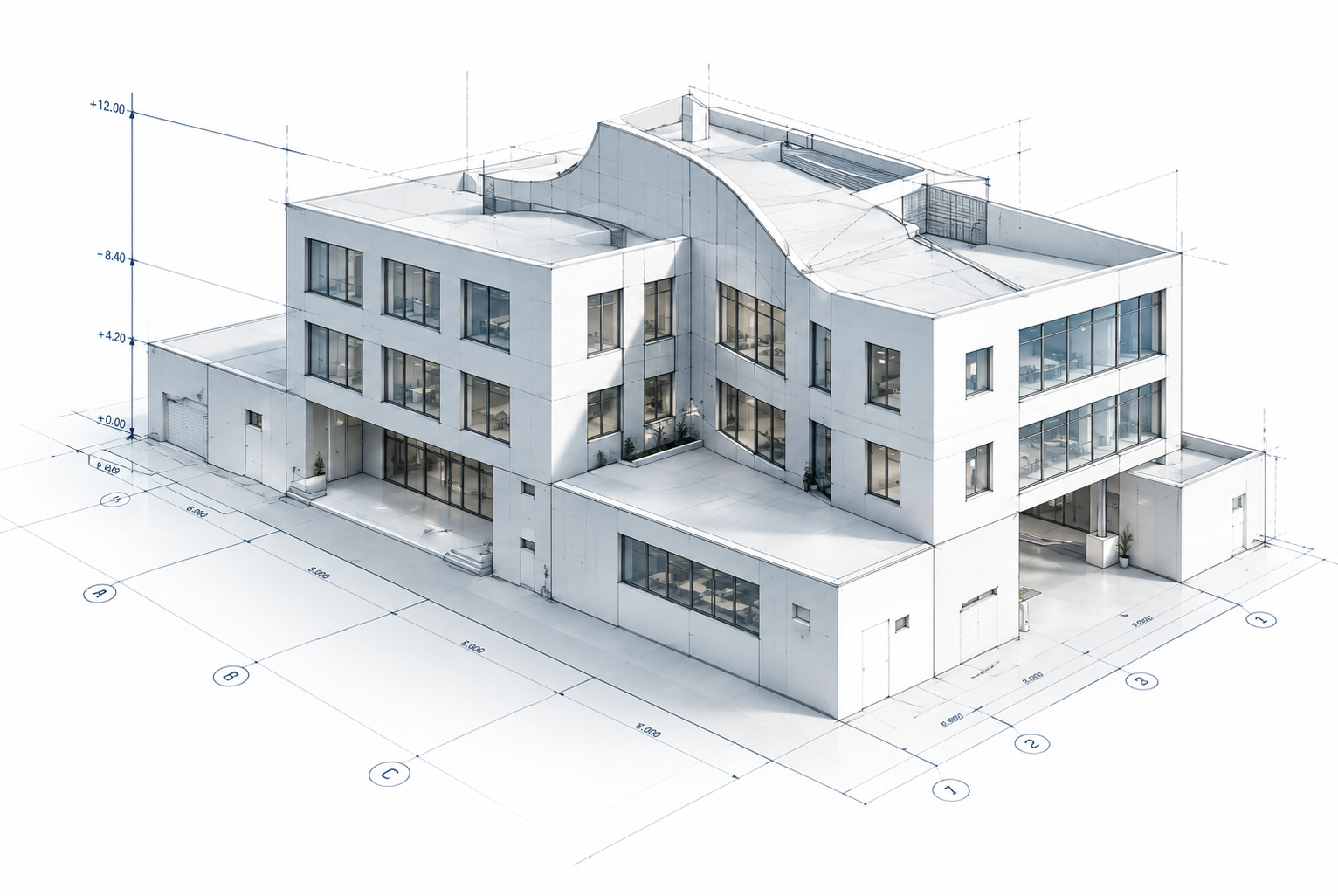
Source Code Discovery Audit
Catalog all VIs, external dependencies, driver versions, and hidden race conditions.
- Test Routine Specification
- Signal Limit Matrix
- User Access & Audit Trail
- Initial FAT Criteria
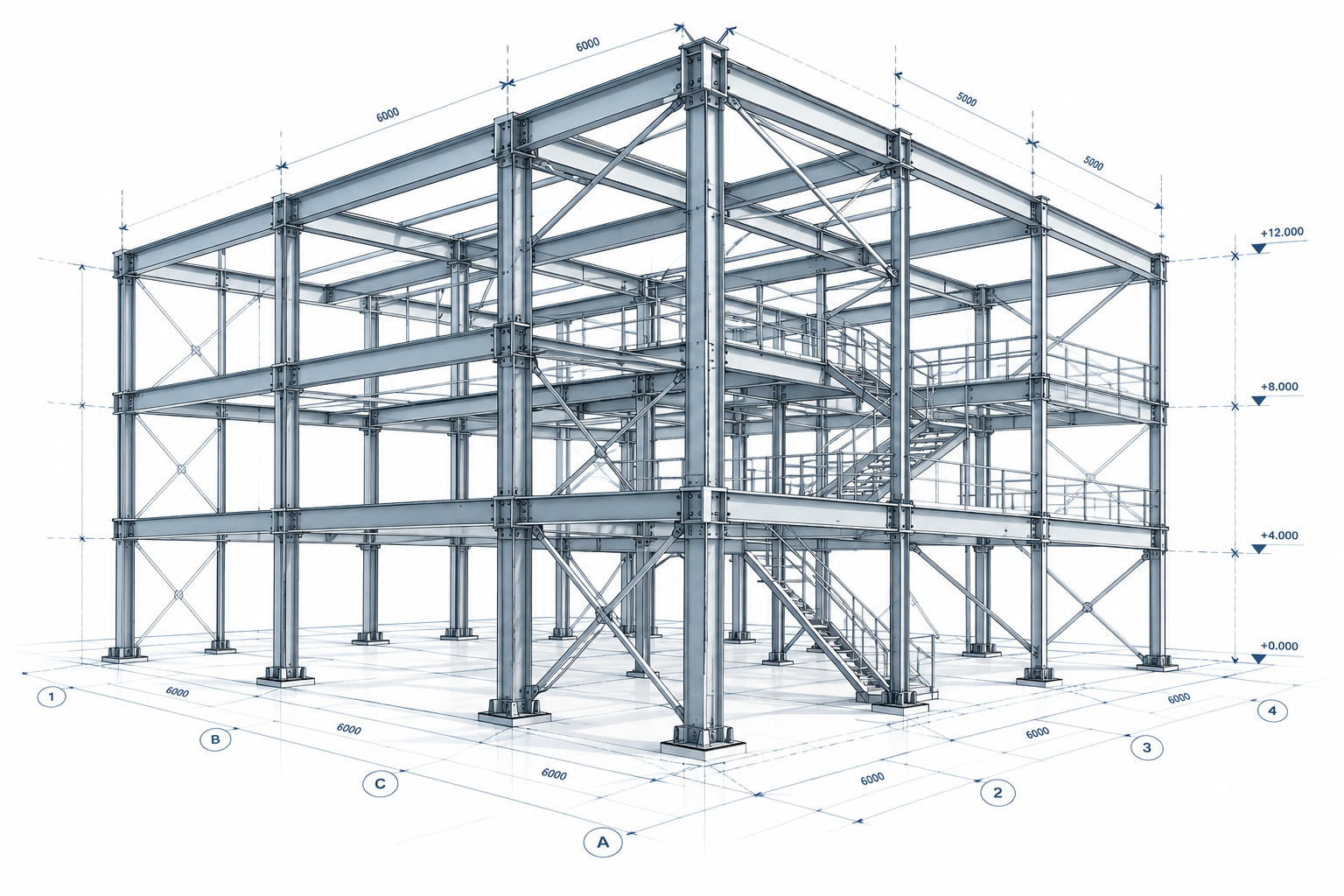
Architecture Blueprint
Design clean DQMH module boundaries and define inter-module communication events.
- Module Class UML Diagrams
- Queue / Event Channel Protocols
- Actor Tree & DQMH Modules
- HAL Interface Definitions
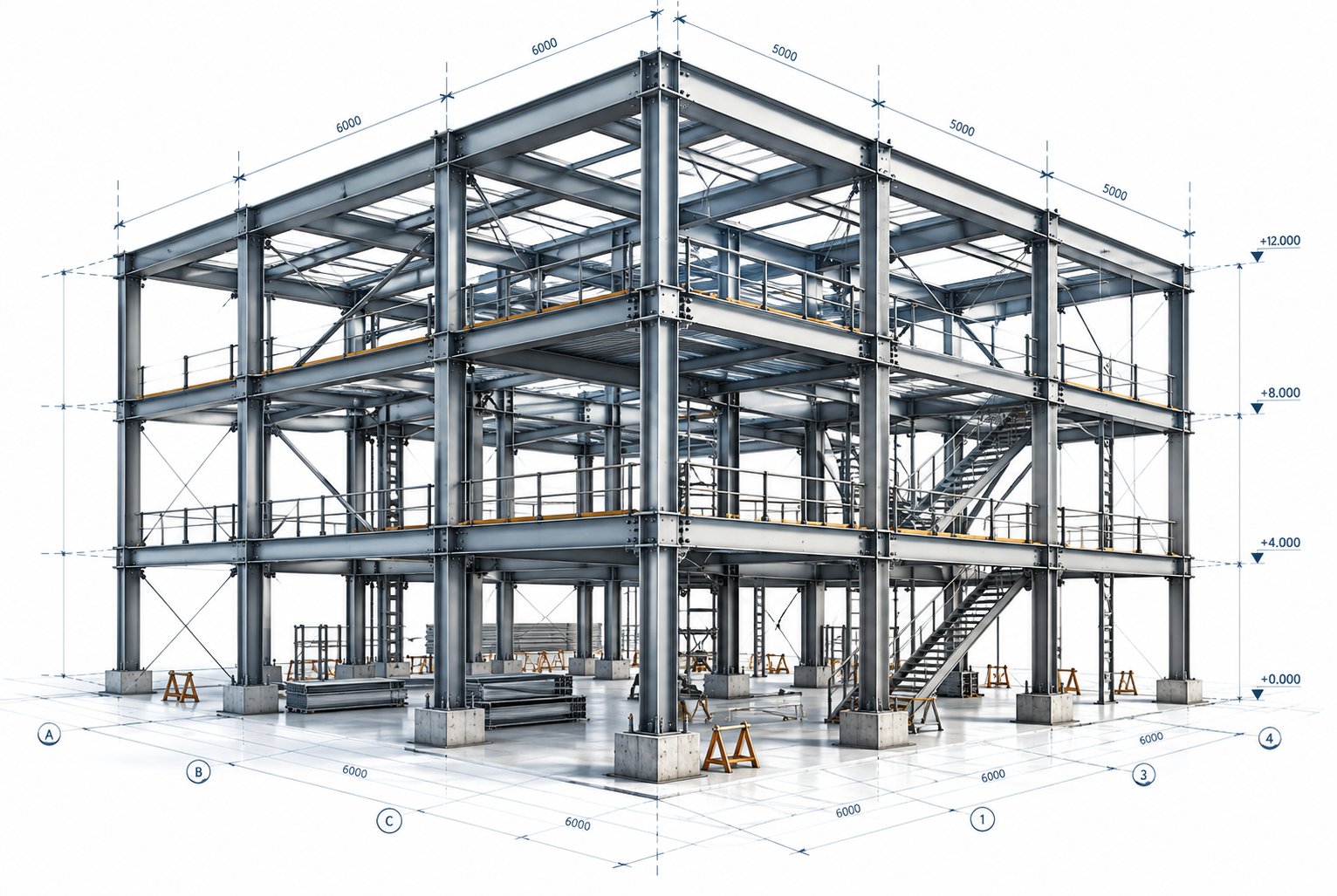
Unit Regression Harness
Create automated test benches that snapshot input/output behavior for math verification.
- Interchangeable Instrument Drivers
- SCPI / VISA Protocol Adapters
- Offline Simulation Stubs
- Hardware Loopback Verification
Incremental Module Refactoring
Refactor one subsystem at a time, keeping the application runnable throughout the project.
- Asynchronous Engine Implementation
- State Transition Handlers
- TDMS / Database Logging Engines
- SubVI Error Cluster Routing
Driver & OS Modernization
Upgrade to 64-bit LabVIEW 2024+, replace legacy drivers, and eliminate deprecated DLLs.
- Dynamic Subpanel Framework
- 24/7 Dark/Light Operator HMI
- Interactive Calibration Wizards
- Automated Recipe Batch Loaders
DETT Memory & Leak Profiling
Execute continuous 72-hour burn-in runs under real load with automated trace logging.
- 72-Hour Continuous Run Benchmark
- DETT Reference Leak Eradication
- Thread Execution Trace Report
- VI Analyzer Automated Code Score
Site Commissioning & Handover
Deploy to factory floor, verify against physical hardware, and train internal team.
- Final Standalone Executable (.exe)
- Factory Acceptance (FAT) Sign-Off
- Site Commissioning (SAT) Protocol
- Complete Uncompiled VI Source Code
What You Receive
A useful proposal starts with useful data. Every system we deliver is validated for throughput, hardware determinism, error recovery, and comprehensive lifecycle operating criteria.
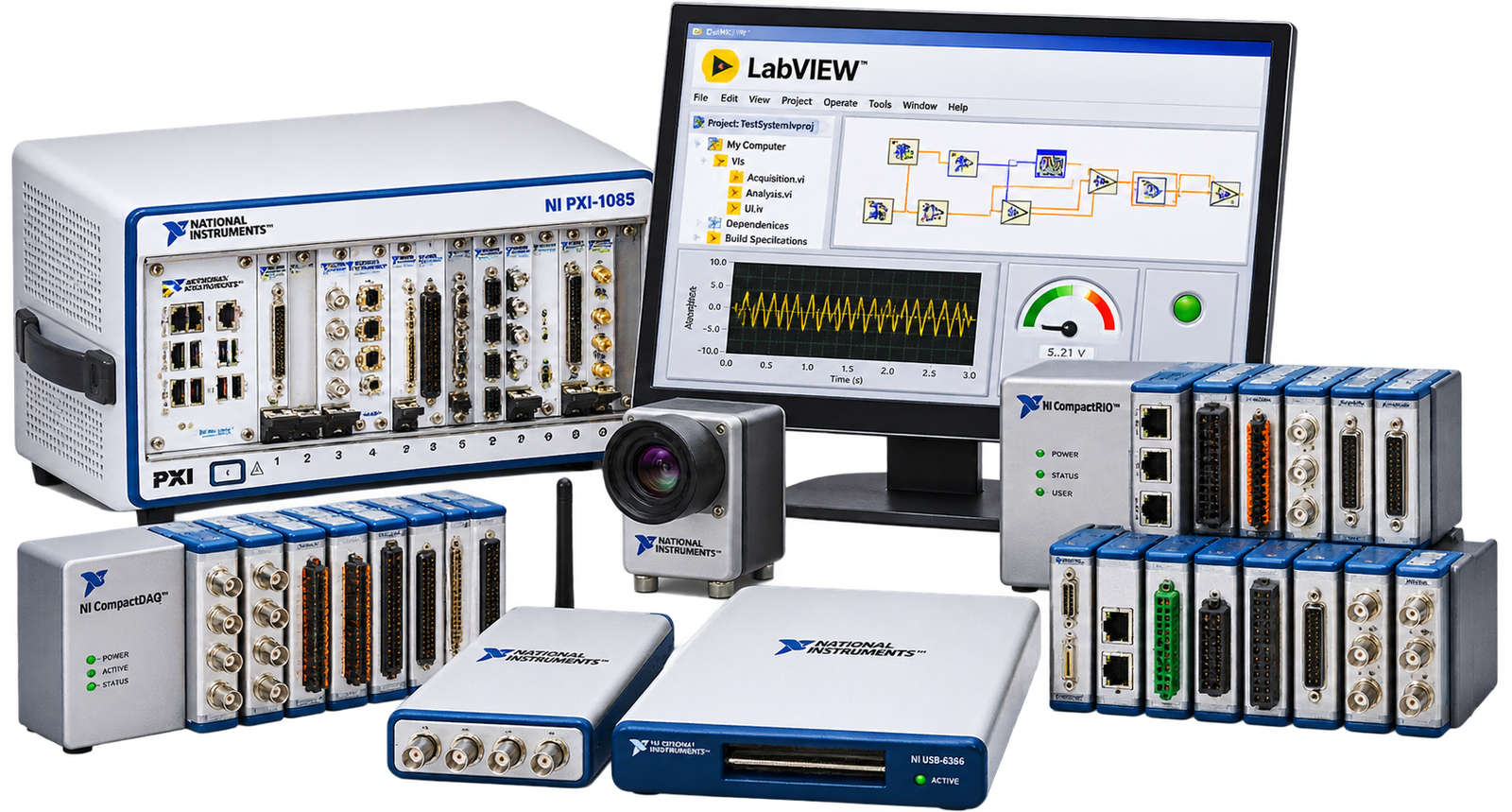
Modernized Production Systems
Proven test, measurement, and automated validation platforms deployed across mission-critical global industrial sectors.
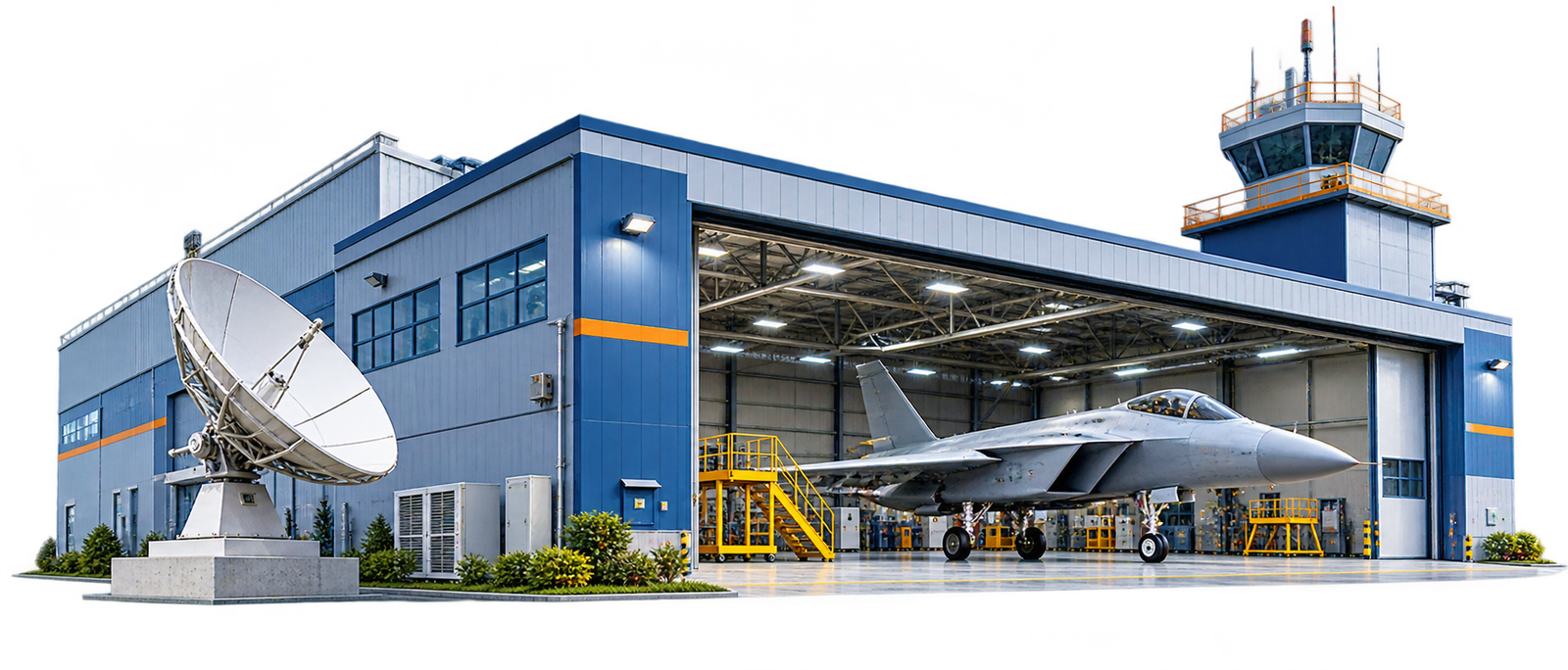
Aerospace Flight Qualification Test Rigs
Modernizing 12-year-old LabVIEW 8.5 flight actuator test stands to modern PXIe and Windows 11 with zero downtime.
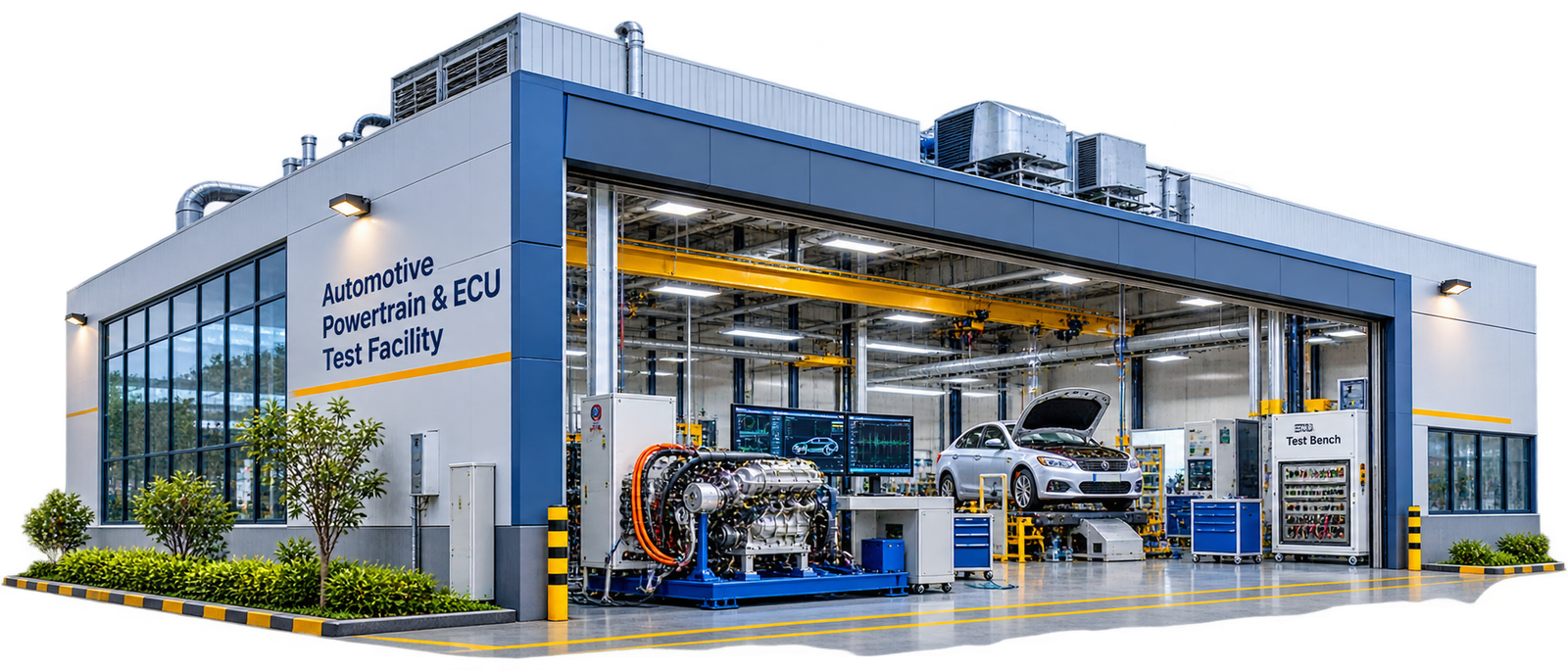
Automotive Tier-1 EOL Testing Benches
Eliminating daily crashes and race conditions on high-volume sensor testing carousels.
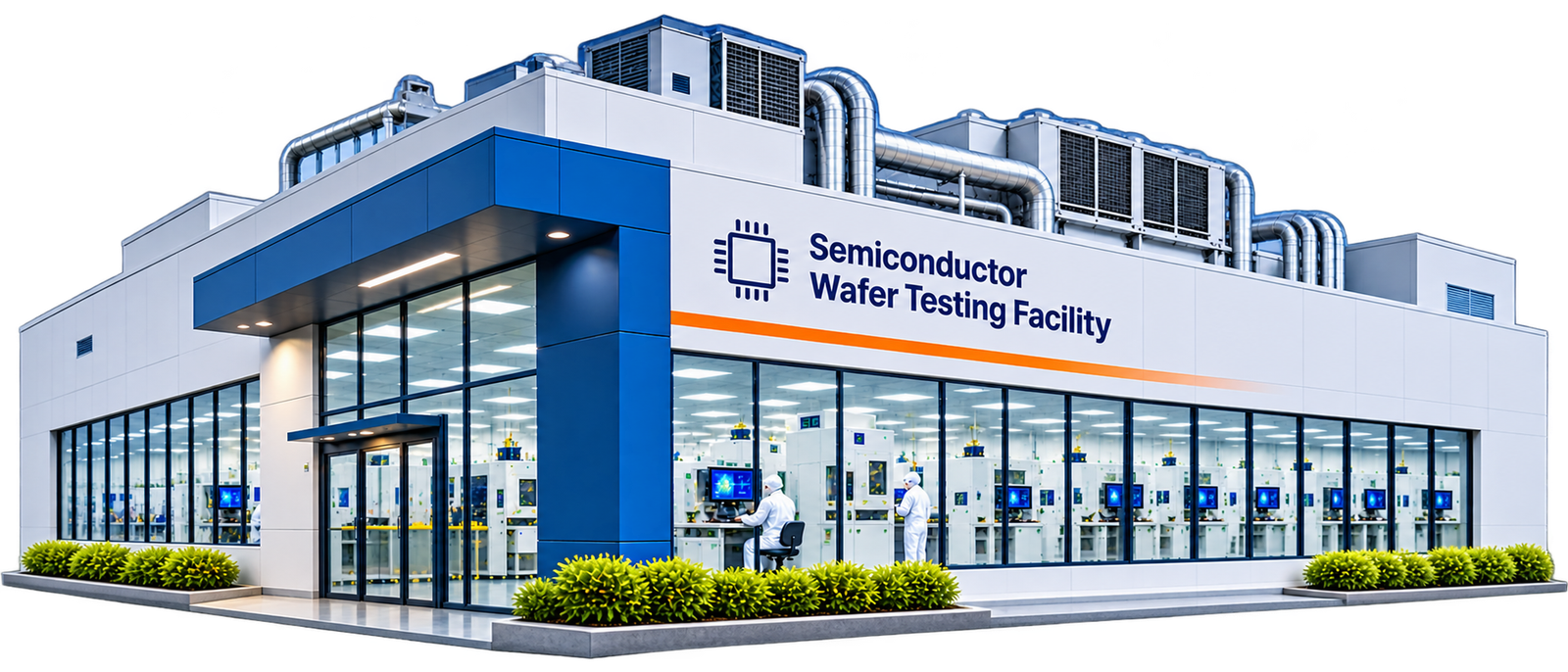
Semiconductor Fab Environmental Loggers
Refactoring massive monolithic monitoring systems into modular DQMH services with SQL data lakes.
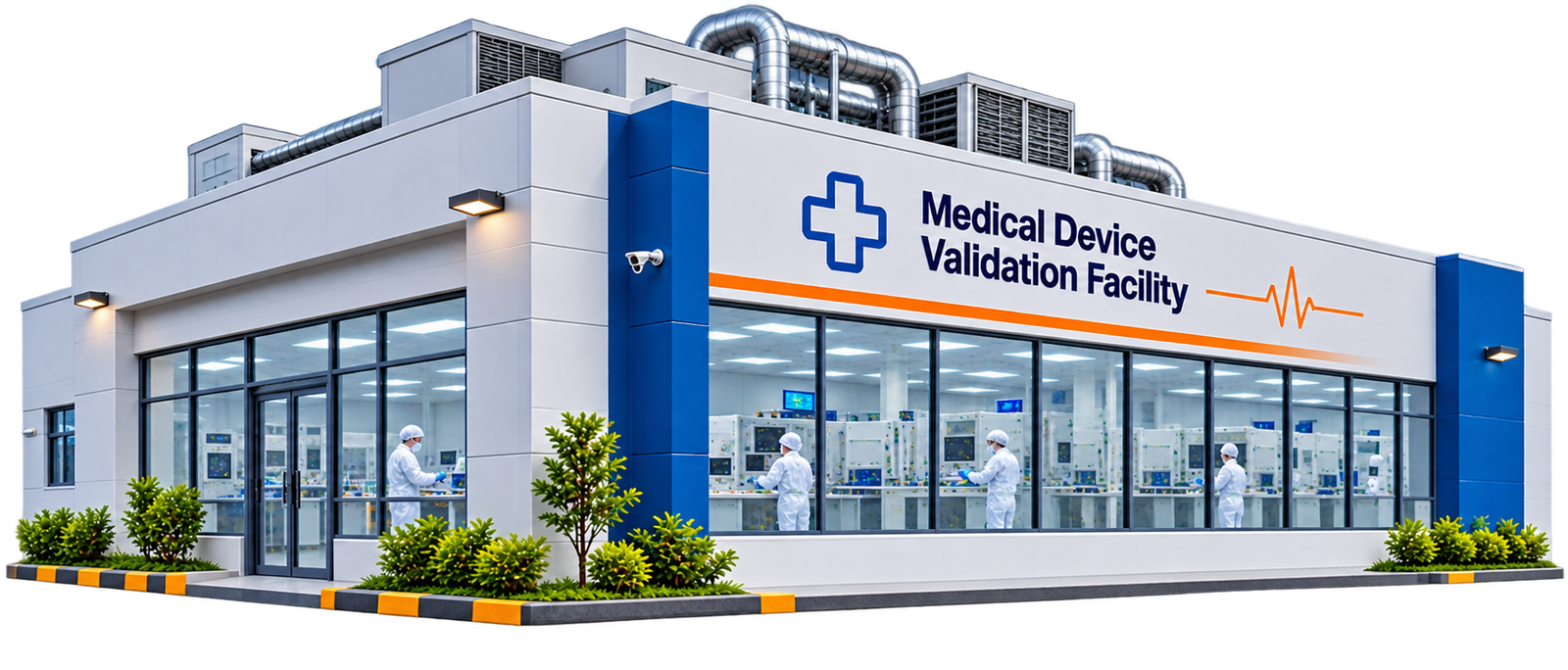
Medical Device Production Lines
Refactoring software to satisfy FDA 21 CFR Part 11 audit trails, electronic signatures, and validation standards.
Why VEST Solutions
Why Choose Our Architects?
Certified LabVIEW Architects and Hardware Integration Specialists delivering zero-defect deterministic automation.
Refactored over 100+ mission-critical legacy LabVIEW applications worldwide
Certified LabVIEW Architects (CLA) with deep understanding of legacy NI platforms
Incremental refactoring philosophy: we never advocate for a risky 'burn it all down and restart' approach
100% open source delivery with clean, documented graphical code

In-house electrical and hardware team capable of replacing obsolete cards with modern equivalents
Proven automated regression techniques that guarantee zero unintended behavior changes
Zero operational downtime during the refactoring process
Comprehensive training for your internal engineers on the new architecture
Engineering Truth: Refactor vs Rewrite
When a codebase becomes painful, developers instinctively say: 'Let's throw it away and rewrite it from scratch.' In industrial testing, that is almost always a catastrophic business mistake.
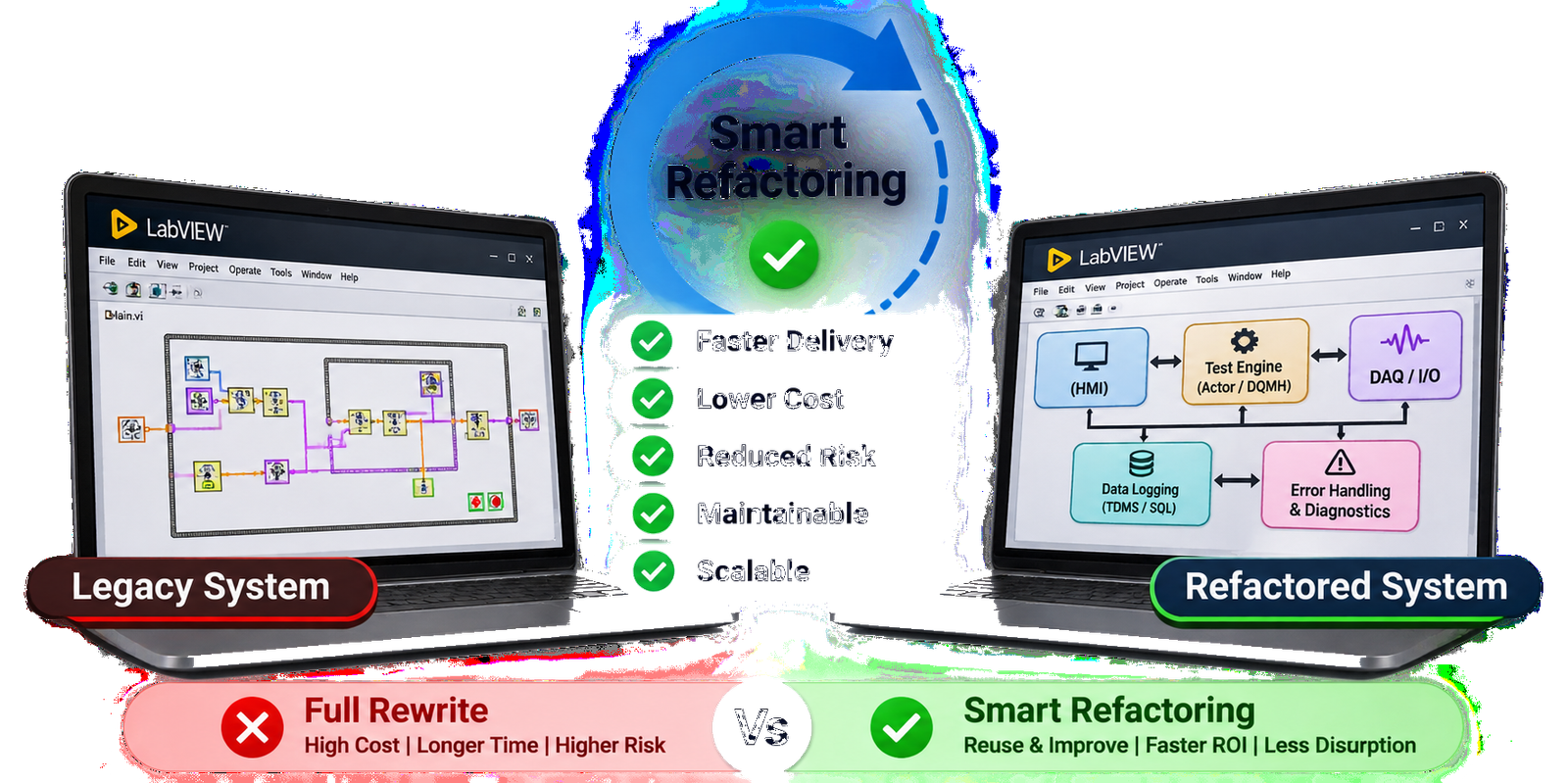
Why smart refactoring wins over rewrites
- Your legacy code contains 10 years of hidden hardware quirks and calibration bug fixes
- Rewriting from scratch costs 3x to 5x more and introduces dozens of new unknown bugs
- Refactoring preserves proven hardware timing while modularizing the software structure
- Refactoring can be executed incrementally without stopping factory production
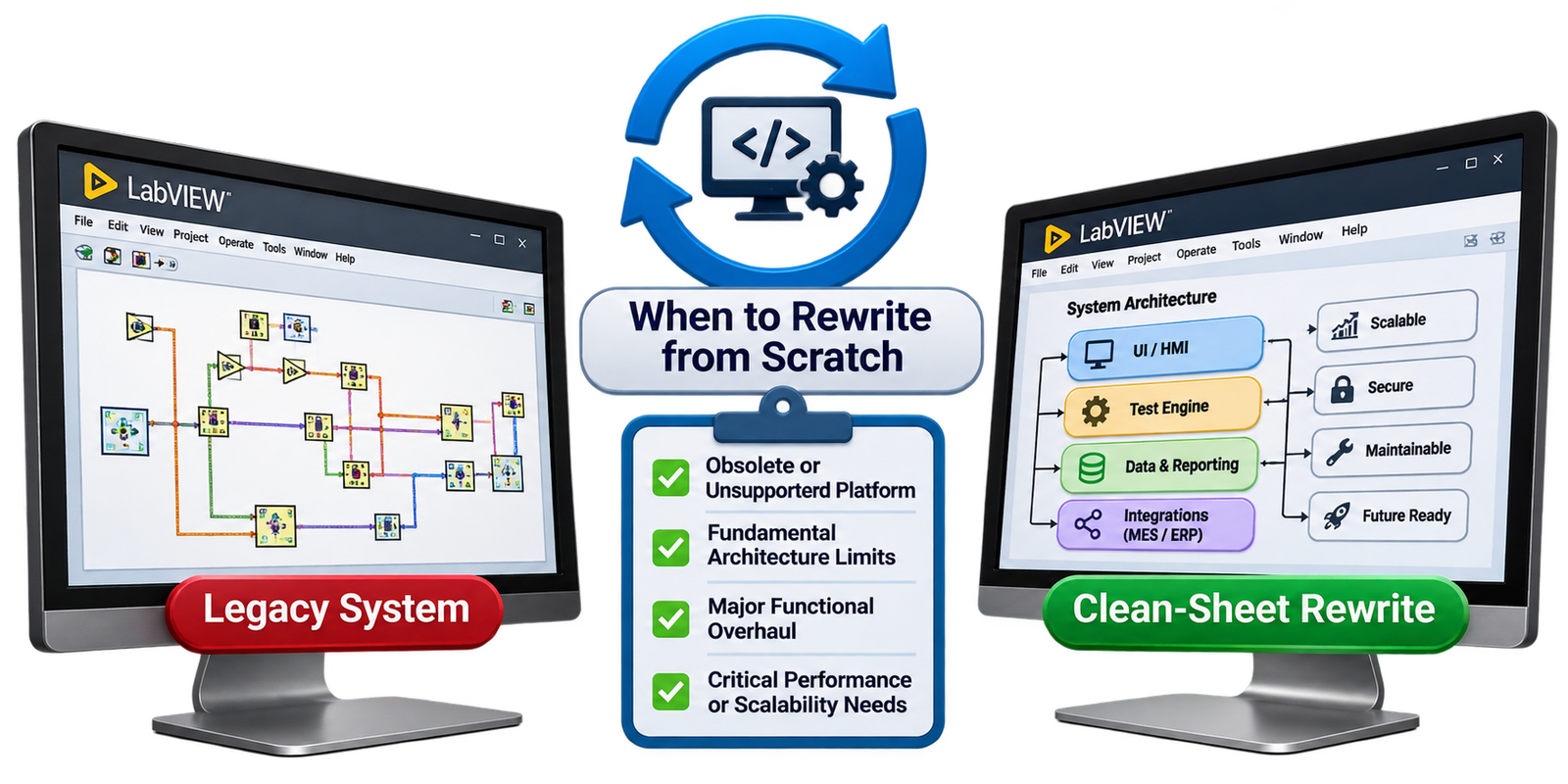
When a complete clean-sheet rewrite is truly necessary
- The physical product under test has changed so radically that 90% of tests are obsolete
- The original source code was lost and only a compiled .exe remains
- The legacy hardware platform has zero modern driver or bus equivalents
- The system was written in a non-standard scripting language that cannot be upgraded
Costly Mistakes in Legacy Code Upgrades
Architectural pitfalls that turn scalable test systems into unmaintainable legacy technical debt.
Starting a rewrite without documenting current logic
Attempting to rewrite without knowing the undocumented edge-case fixes in the legacy code leads to disaster on the test floor.
Leaving local and global variables in place
Simply changing the LabVIEW version without replacing shared global variables leaves all original race conditions intact.
Upgrading hardware drivers without testing timing
Modern NI-DAQmx drivers execute faster than 20-year-old Traditional DAQ, exposing hidden timing assumptions. We audit loop timing.
Neglecting Windows 64-bit pointer alignment
Migrating 32-bit Call Library Function Nodes to 64-bit without adjusting memory pointer sizes causes instant hard system crashes.
Failing to implement automated regression tests
Relying on manual clicking to verify a 500-VI application leaves dozens of hidden calculation bugs undiscovered until production.
Not training the internal engineering staff
Delivering an advanced architecture without training the plant technicians results in them reverting back to bad coding habits.
Frequently Asked Questions
Answers to technical questions regarding architecture patterns, instrument drivers, FAT/SAT deployment, and full source code ownership.