NI TestStand Architecture & AutomatedTest Sequences
Standardize your production line and validation labs with robust, modular NI TestStand architectures. Maximize throughput with asynchronous multi-socket parallel testing, modular code modules in LabVIEW, C#, and Python, and seamless enterprise SQL database logging.
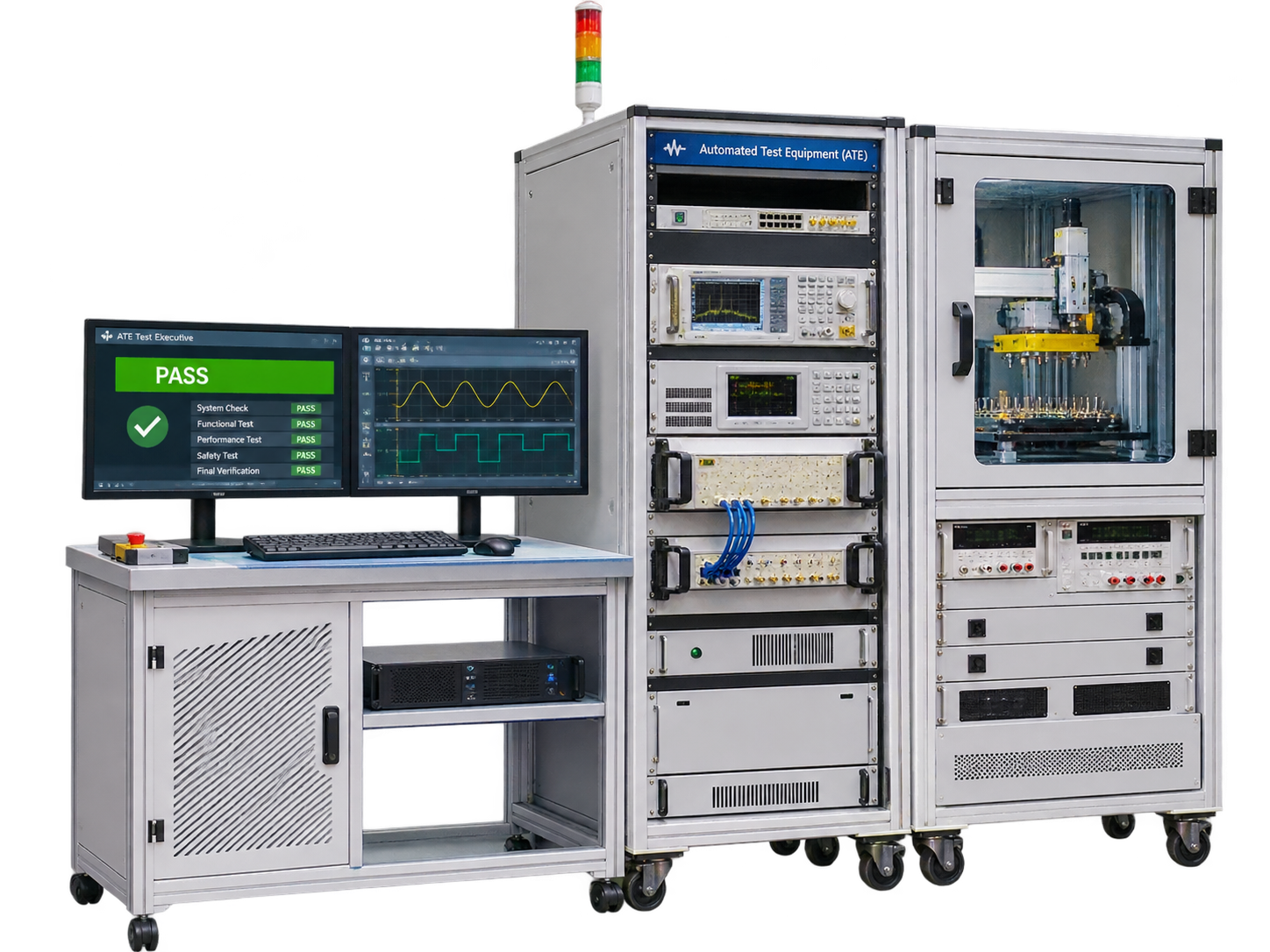
Comprehensive NI TestStand Engineering Capabilities
High-throughput test and measurement capabilities engineered to eliminate spaghetti code and deliver deterministic factory-floor execution.
Parallel & Batch Process Models
Architecting multi-threaded test models to test multiple UUTs simultaneously across independent or shared instruments.
- ✓Asynchronous multi-socket execution (up to 32 sockets)
- ✓Resource arbitration and instrument lock sharing
- ✓Batch synchronization with automated serial-number capture
- ✓Individual abort, retest, and socket yield tracking
Modular Code Module Integration
Seamless execution of measurement steps written in LabVIEW, Python, .NET (C#), and native C/C++.
- ✓Native LabVIEW VI step execution with dynamic dispatching
- ✓Python module calls with zero virtual-env overhead
- ✓C# / .NET assembly loading & reflection
- ✓Hardware Abstraction Layer (HAL/MAL) step calling
Custom Operator Interfaces (OI)
Building intuitive, touch-friendly shop-floor UIs tailored to production operators, technicians, and QA engineers.
- ✓LabVIEW & WPF modern operator interface development
- ✓Multi-level role access control (Operator, Tech, Admin)
- ✓Real-time pass/fail indicators and interactive step graphs
- ✓Barcode & 2D DataMatrix scanner serial entry
Enterprise Database Logging & Reporting
High-throughput database logging and automated report generation complying with aerospace and medical standards.
- ✓Zero-lock asynchronous database logging (PostgreSQL, MSSQL, Oracle)
- ✓ATML 6.0 standard XML test result generation
- ✓PDF, HTML, and Excel automated shift reports
- ✓MES & ERP integration via REST API and MQTT
Dynamic Limit Checking & Calibration
Decoupling measurement limits and calibration offsets from test sequences for rapid product changeovers.
- ✓Database-driven test limit loading per part SKU
- ✓Temperature-compensated limit adjustments
- ✓Gold-unit verification and sanity check routines
- ✓Statistical process control (Cp/Cpk) real-time calculation
Production EOL & HIL Test Stand Deployment
Turnkey commissioning of automated test racks with full fixture interlocks, safety relays, and calibration certificates.
- ✓PXIe & CompactDAQ instrument rack deployment
- ✓Pneumatic bed-of-nails and cable harness test fixtures
- ✓Emergency stop and door interlock safety integration
- ✓Gage R&R repeatability validation (>99% GRR score)
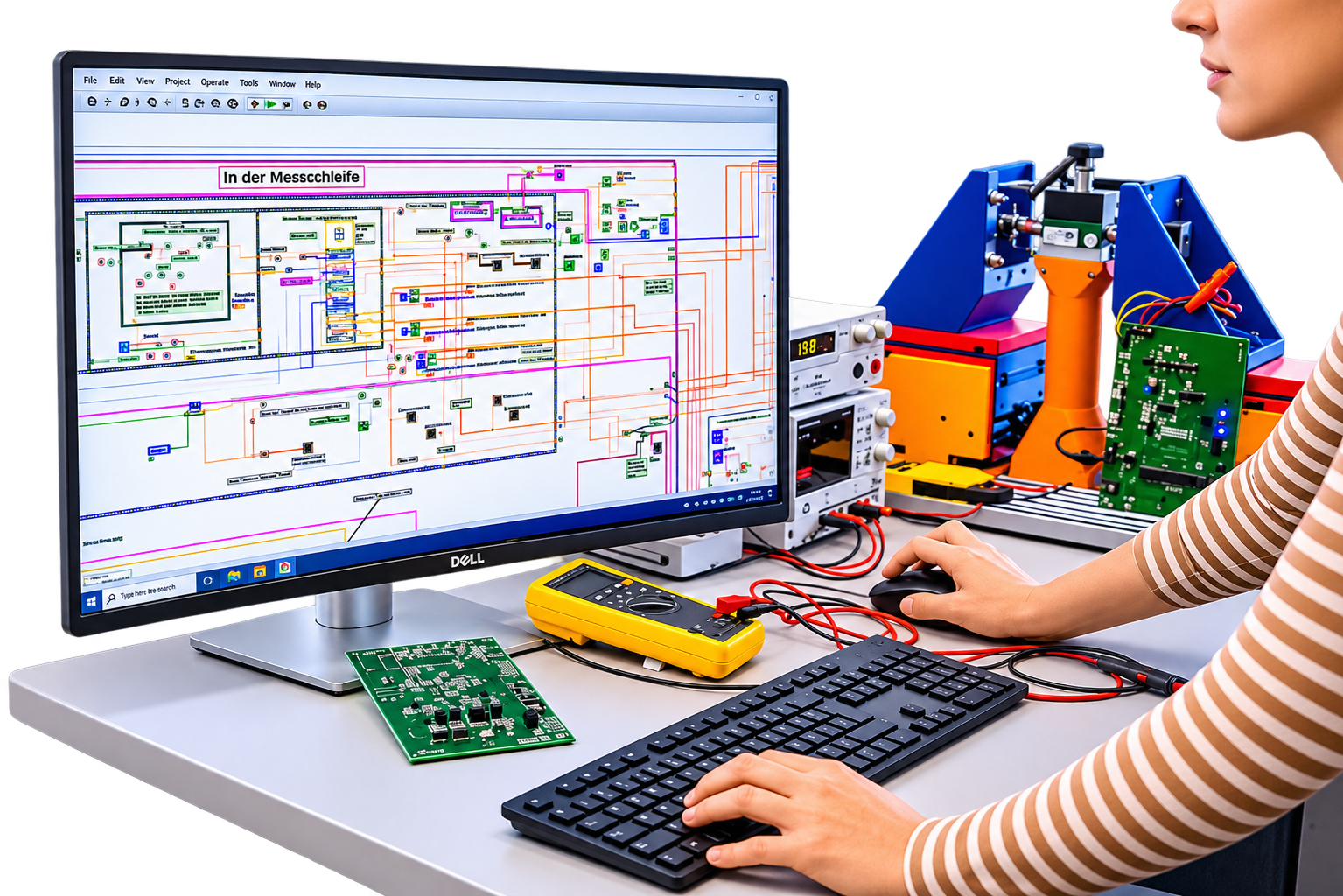
Why NI TestStand is the Gold Standard for Automated Validation & Production Test
Modern electronics, aerospace avionics, and automotive devices demand rigorous validation and zero-defect production testing. Writing custom, monolithic test executive logic from scratch leads to brittle codebases, unmaintainable operator UIs, and weeks of re-work for every new device variant.
NI TestStand decouples test management (sequencing, loop control, failure handling, limit checking, and database logging) from device-under-test (DUT) measurement logic. Our Certified TestStand Architects (CTA) design modular process models and clean code-module APIs, empowering test engineering teams to deploy new test steps in minutes while guaranteeing 100% data traceability.
Decoupled 4-Tier Test Executive Framework
Industrial-grade design patterns engineered to replace monolithic code with modular, testable, and maintainable LabVIEW frameworks.
Tier 1: Operator Interface Layer
High-performance WPF or LabVIEW UI providing operators with simple start/stop controls, barcode scanners, and clear pass/fail bins, isolated from sequence logic.
Tier 2: TestStand Process Model & Engine
Manages parallel execution threads, loop iterations, failure routing, station calibration, and automated database logging without hardcoded test logic.
Tier 3: Modular Sequence & Measurement Steps
Standardized .seq files defining test parameters, tolerances, and execution order, calling modular measurement routines across any programming language.
Tier 4: Hardware & Measurement Abstraction (HAL/MAL)
Decouples specific instrument models from test steps. Swap out an oscilloscope or DMM without editing a single sequence step.
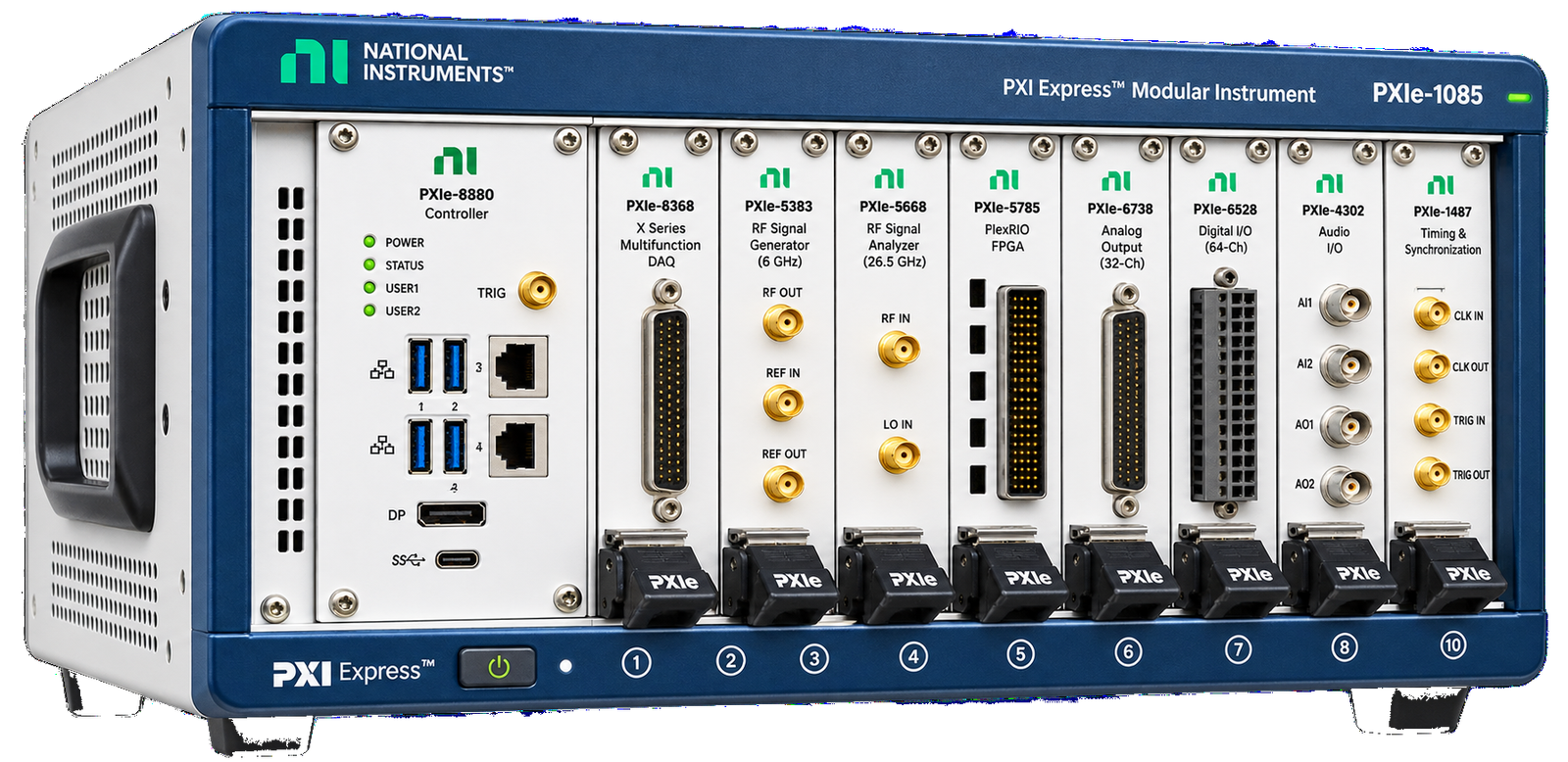
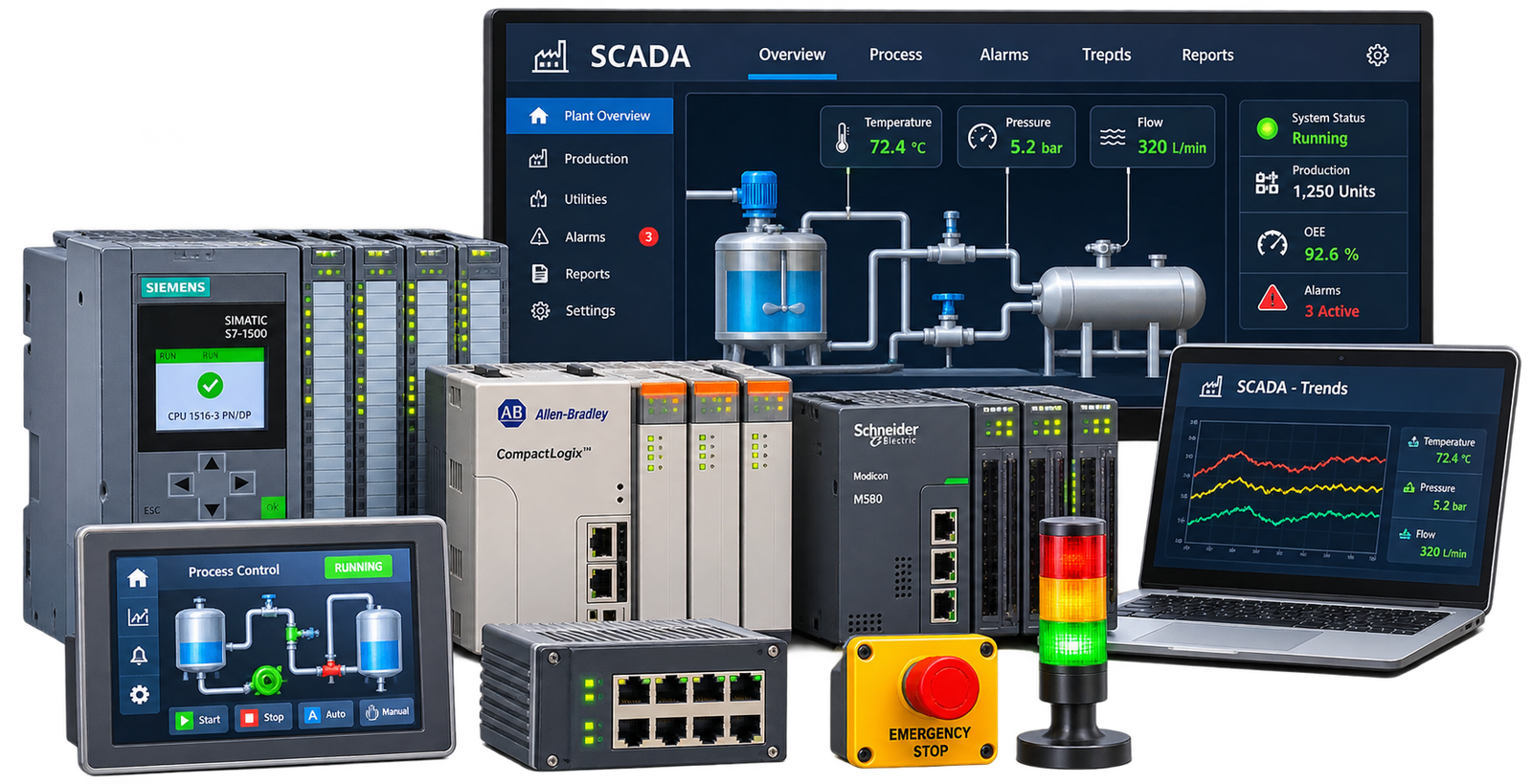
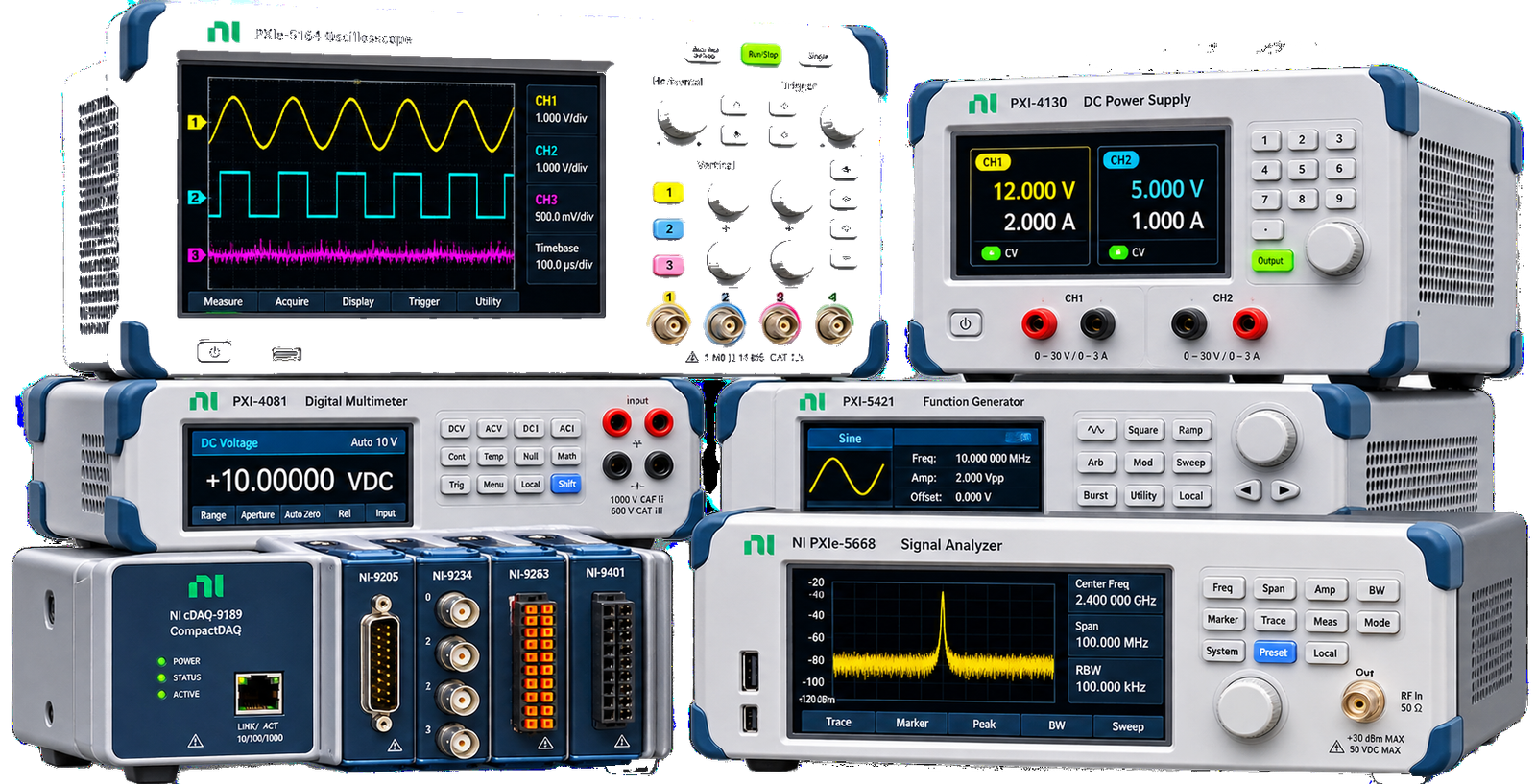
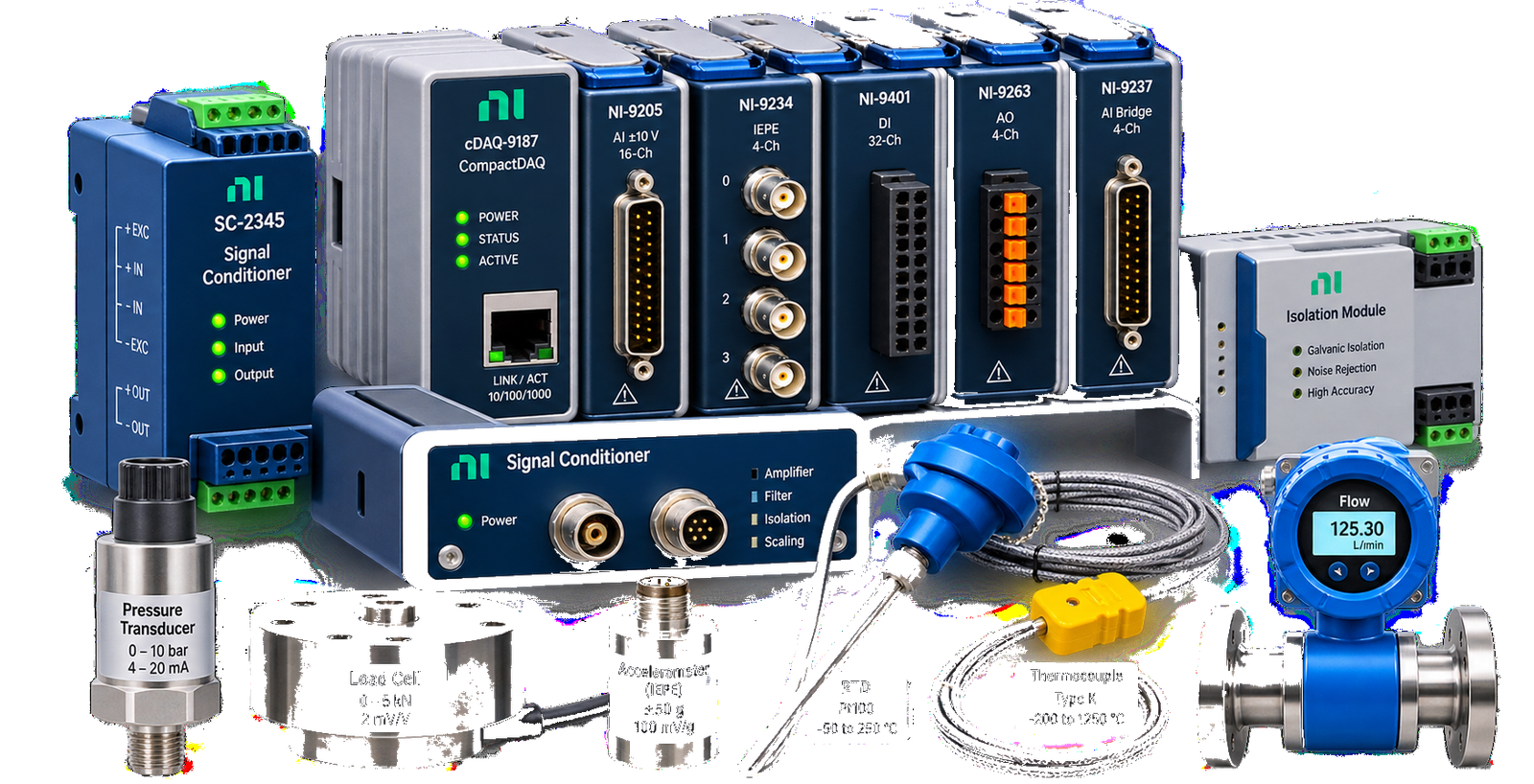
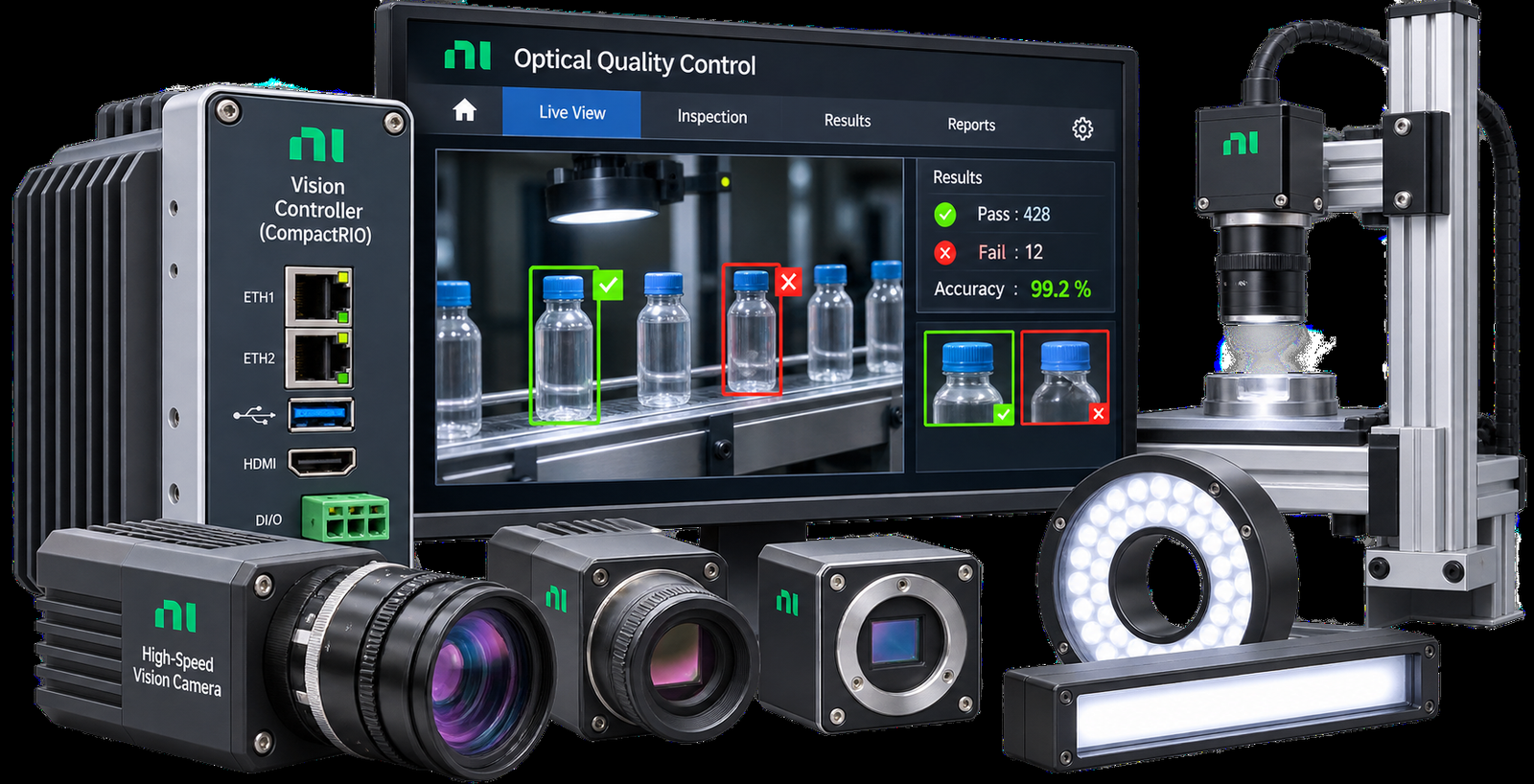
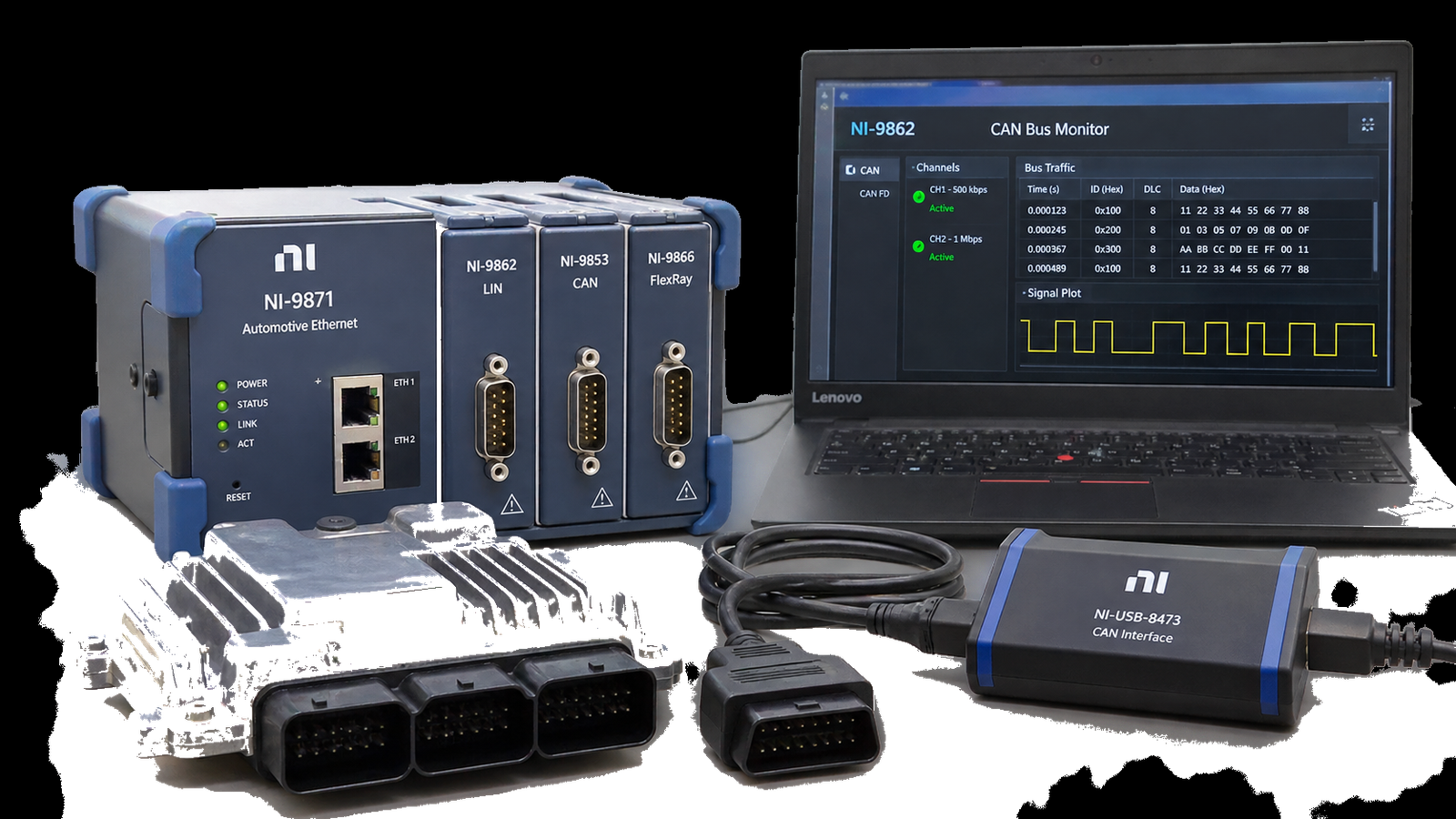
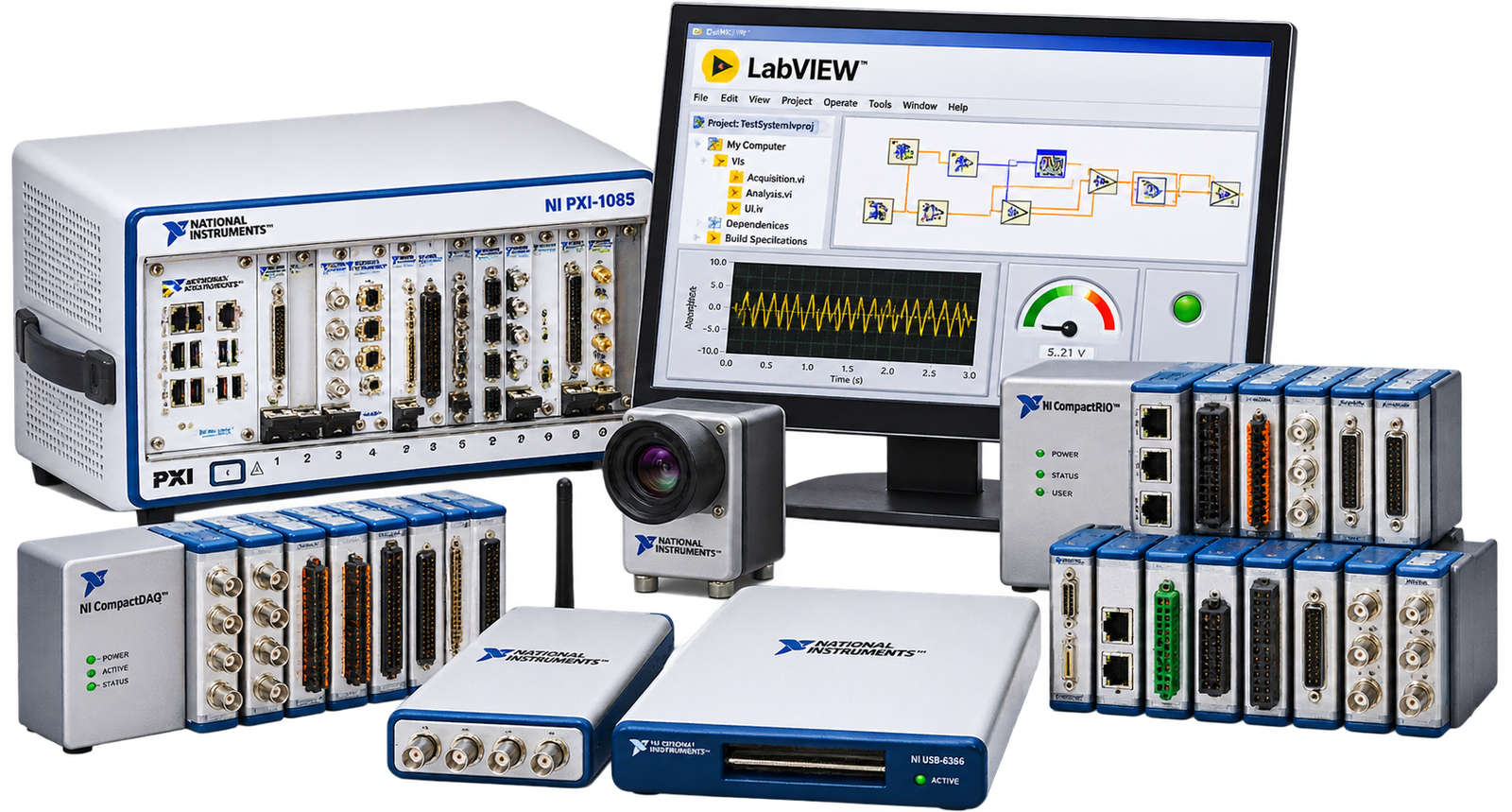
Supported Hardware Platforms & Communication Busses
Seamless integration with industry-leading measurement hardware, controllers, sensors, and communication protocols.
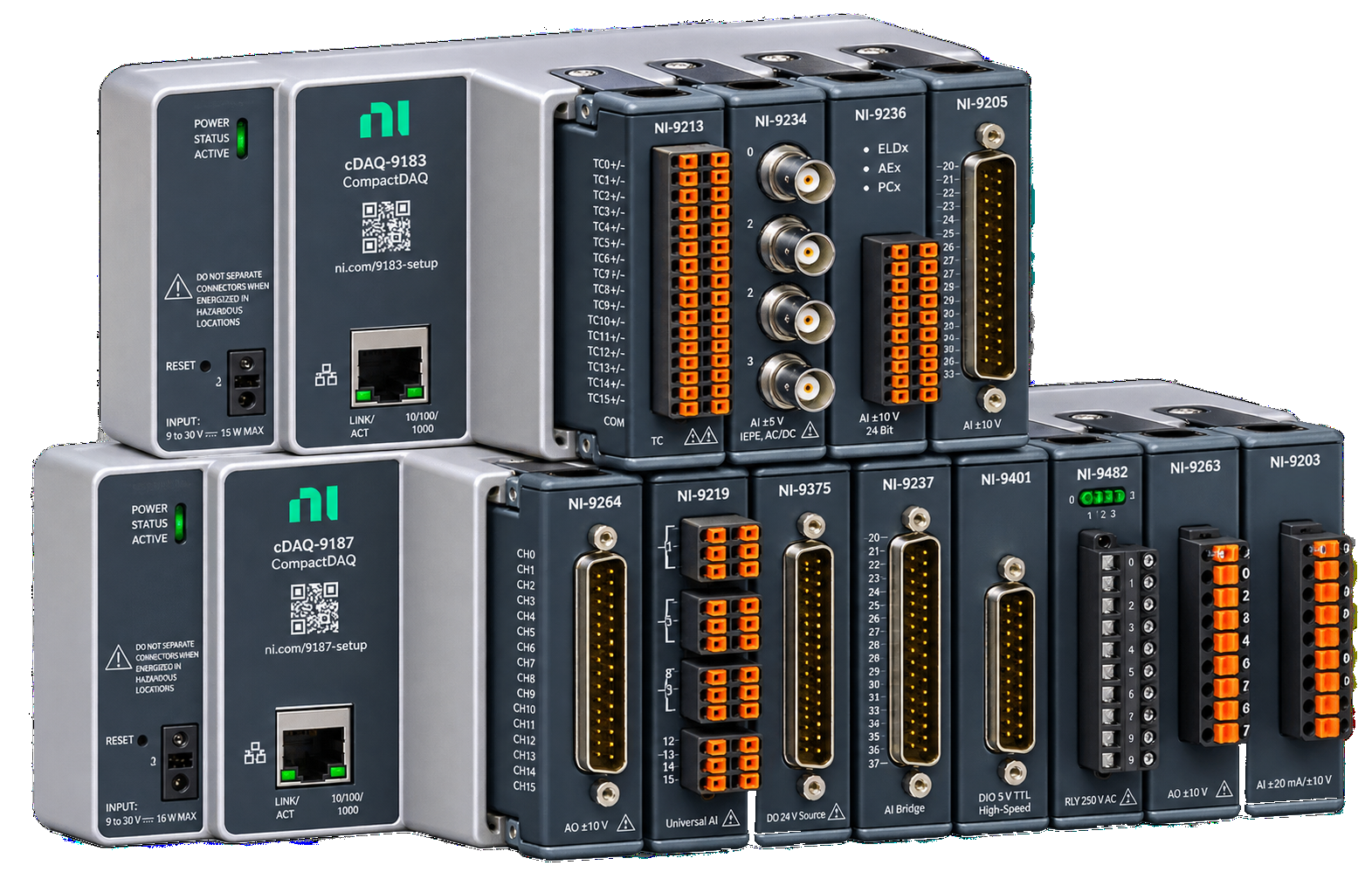
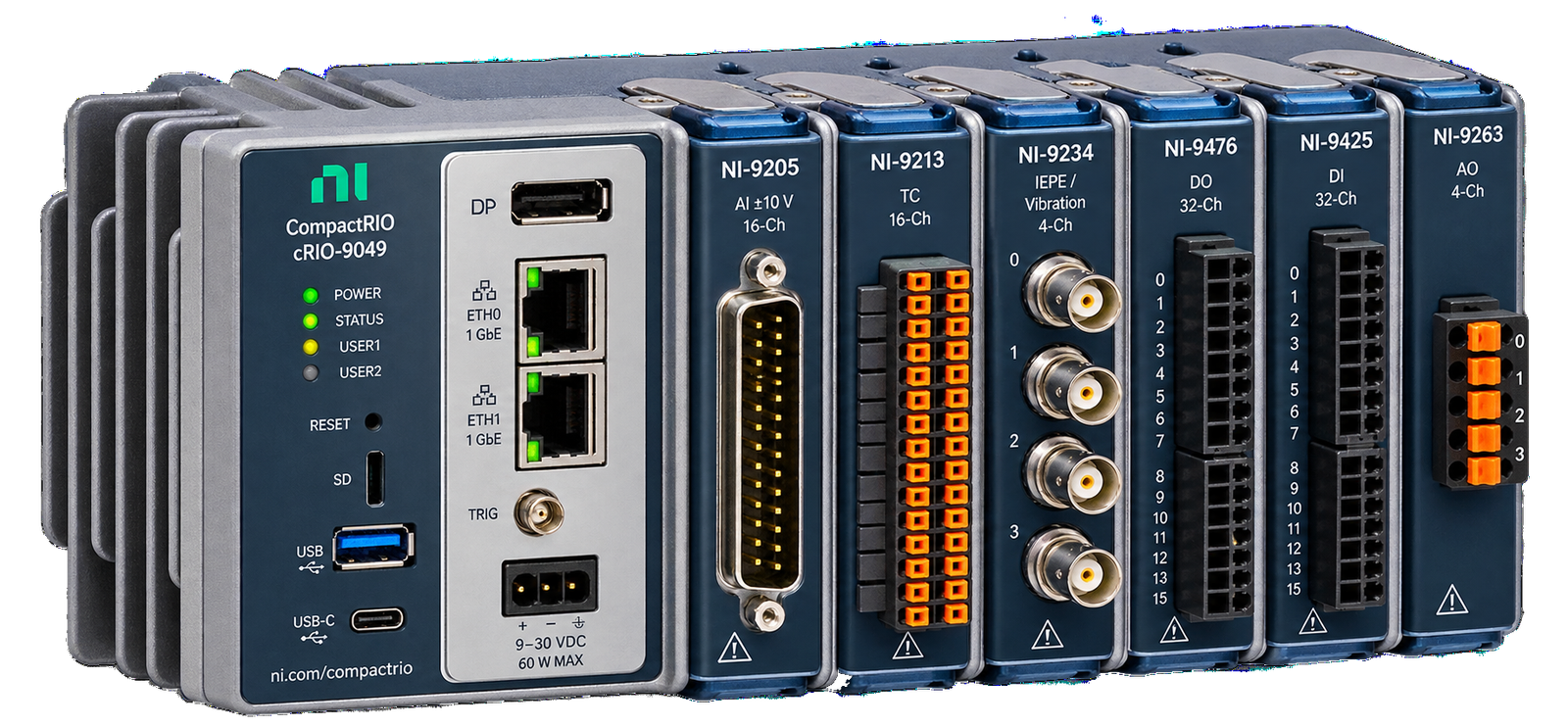
Quantifiable Improvements in Testing Throughput & Reliability
Deploying our optimized NI TestStand architectures delivers immediate operational return on investment.
Manufacturing Line Benefits
- Elimination of operator bottlenecks via multi-socket parallel testing
- Instant operator changeover with barcode SKU configuration loading
- Zero data loss with resilient offline SQL database caching
- Automatic warning notifications on creeping calibration offsets
Software Maintenance Benefits
- Add or modify test steps without recompiling operator interfaces
- Reuse instrument drivers across multiple factory lines and product models
- Standardized ATML reports compliant with enterprise QA audit standards
- Strict Git branch isolation for validated production sequences
From Specification to Factory Sign-Off
From initial requirements elicitation to automated FAT/SAT deployment, our deterministic engineering lifecycle ensures zero runtime regressions.
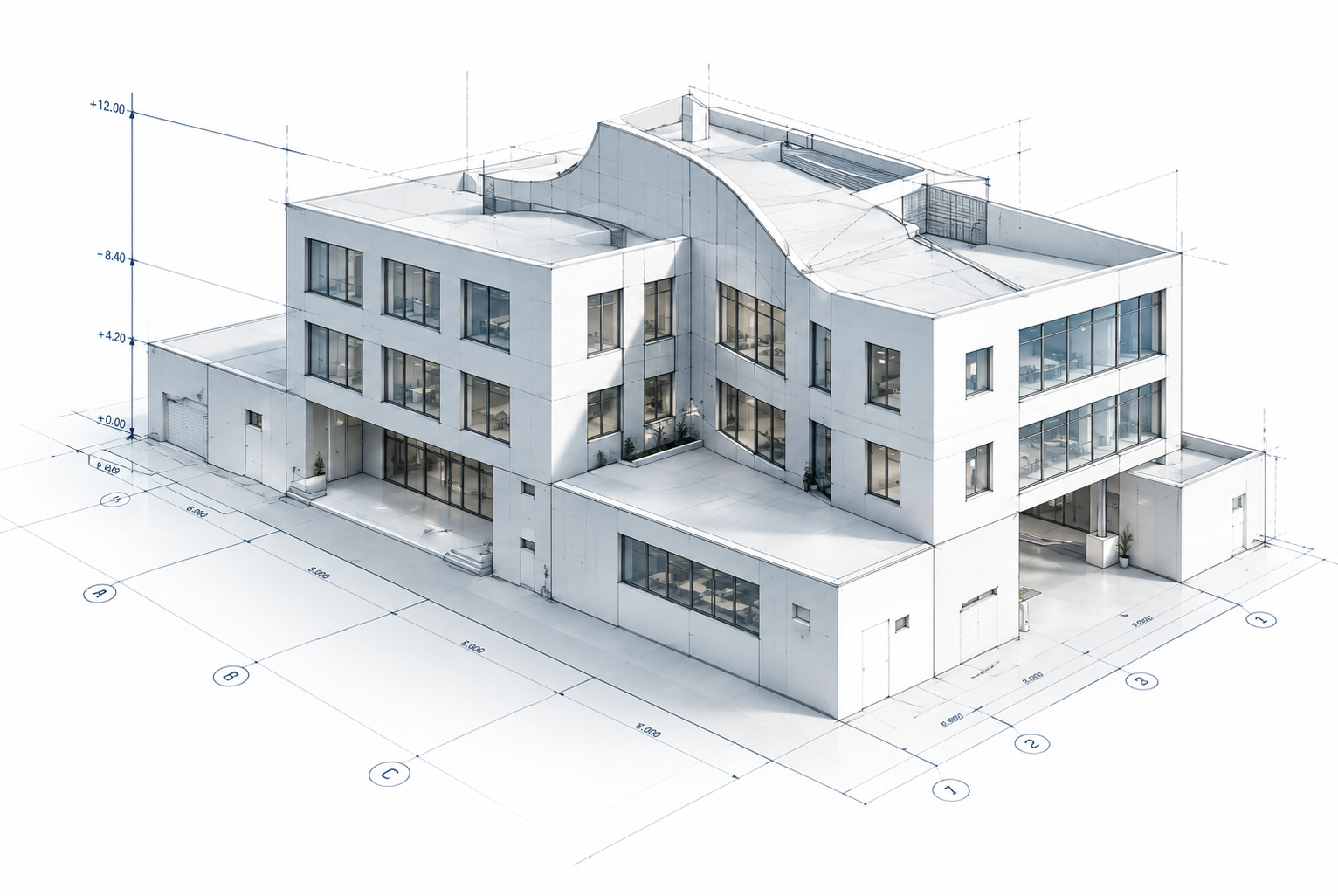
Discovery & Instrument Audit
We analyze your test plan, tolerance limits, takt time targets, and verify hardware driver availability.
- Test Routine Specification
- Signal Limit Matrix
- User Access & Audit Trail
- Initial FAT Criteria
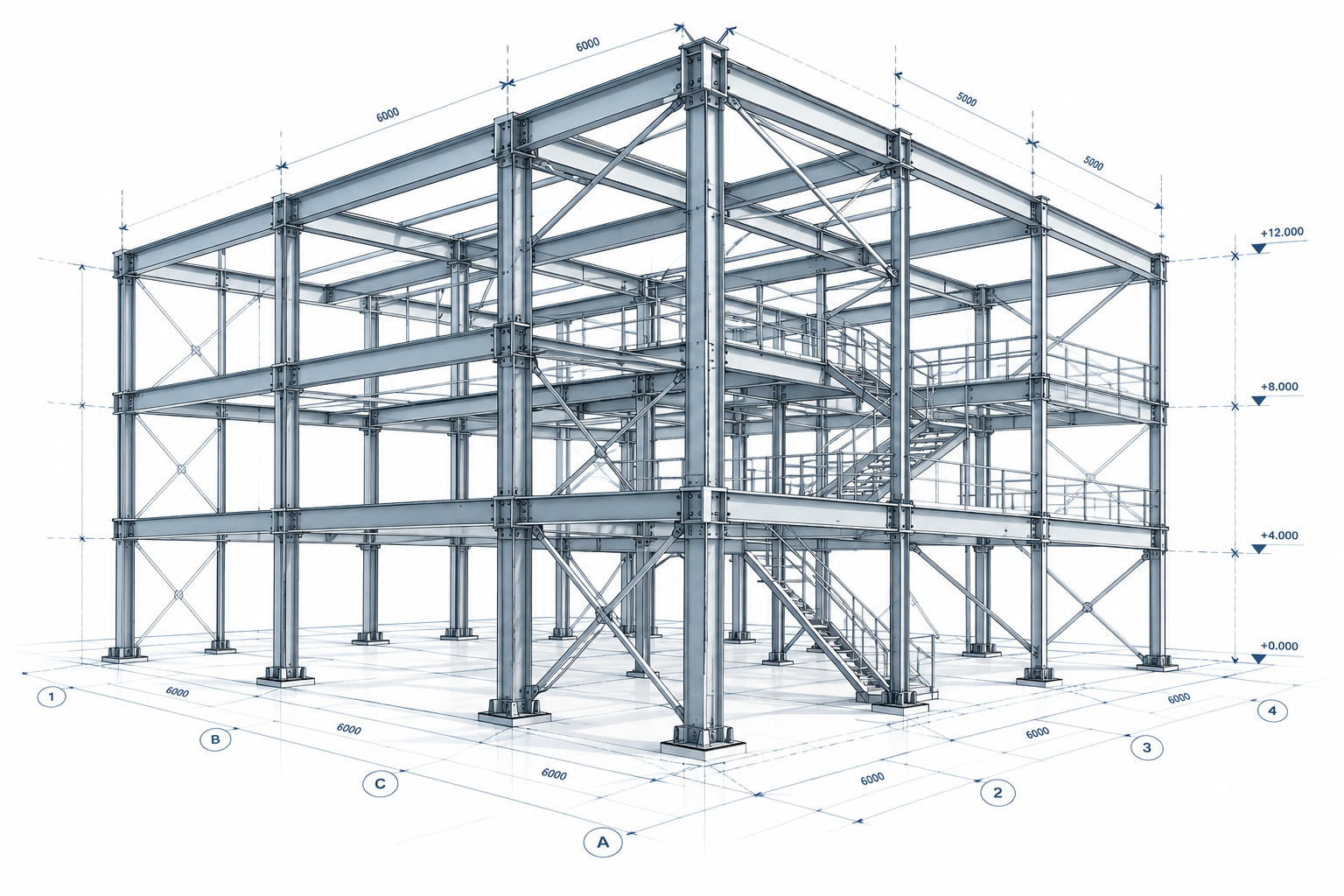
Architecture & HAL Framework
We create the custom process model, HAL driver classes, and database logging schema.
- Module Class UML Diagrams
- Queue / Event Channel Protocols
- Actor Tree & DQMH Modules
- HAL Interface Definitions
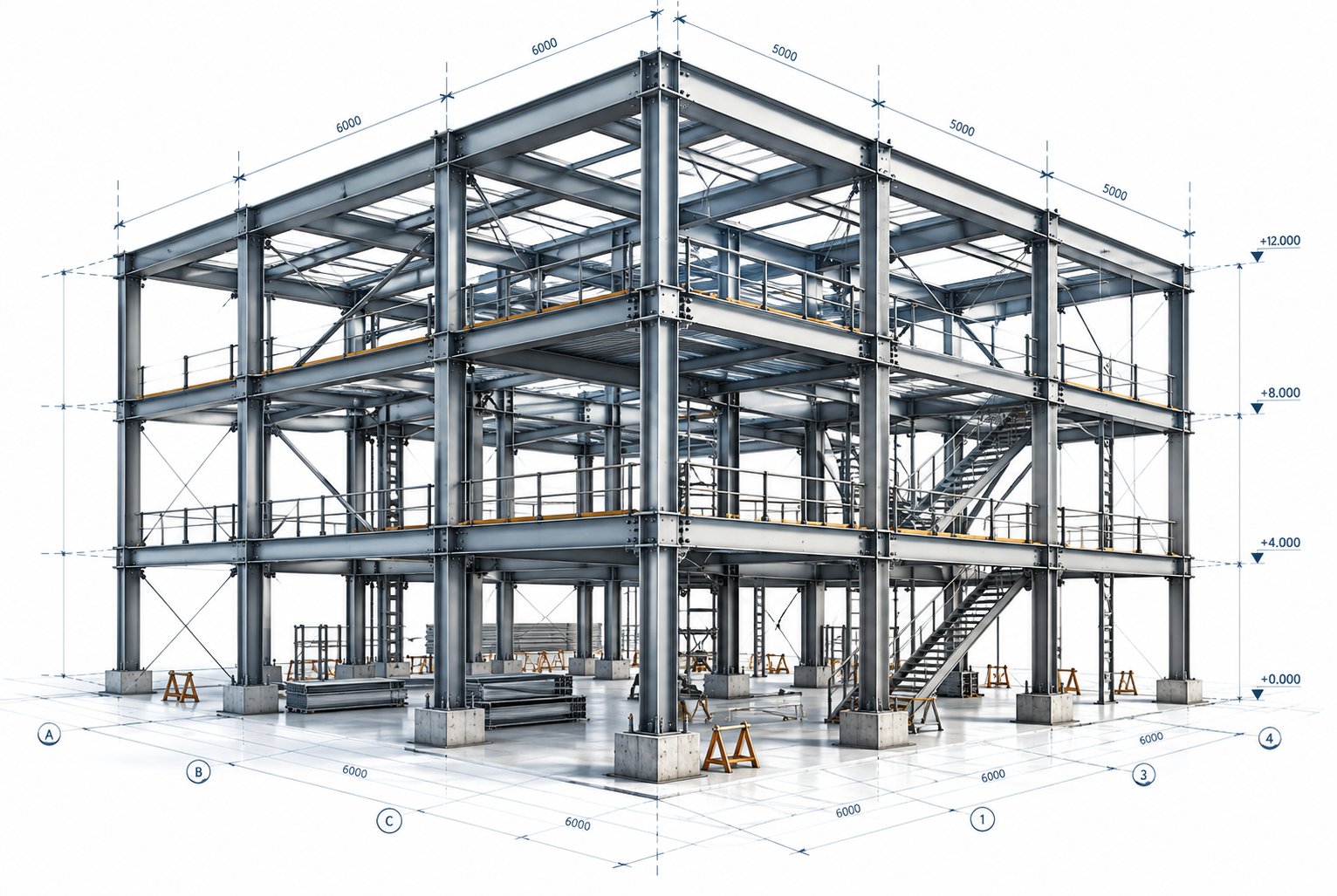
Sequence & Step Development
We write modular LabVIEW/Python test steps, configure limit tables, and build the operator UI.
- Interchangeable Instrument Drivers
- SCPI / VISA Protocol Adapters
- Offline Simulation Stubs
- Hardware Loopback Verification
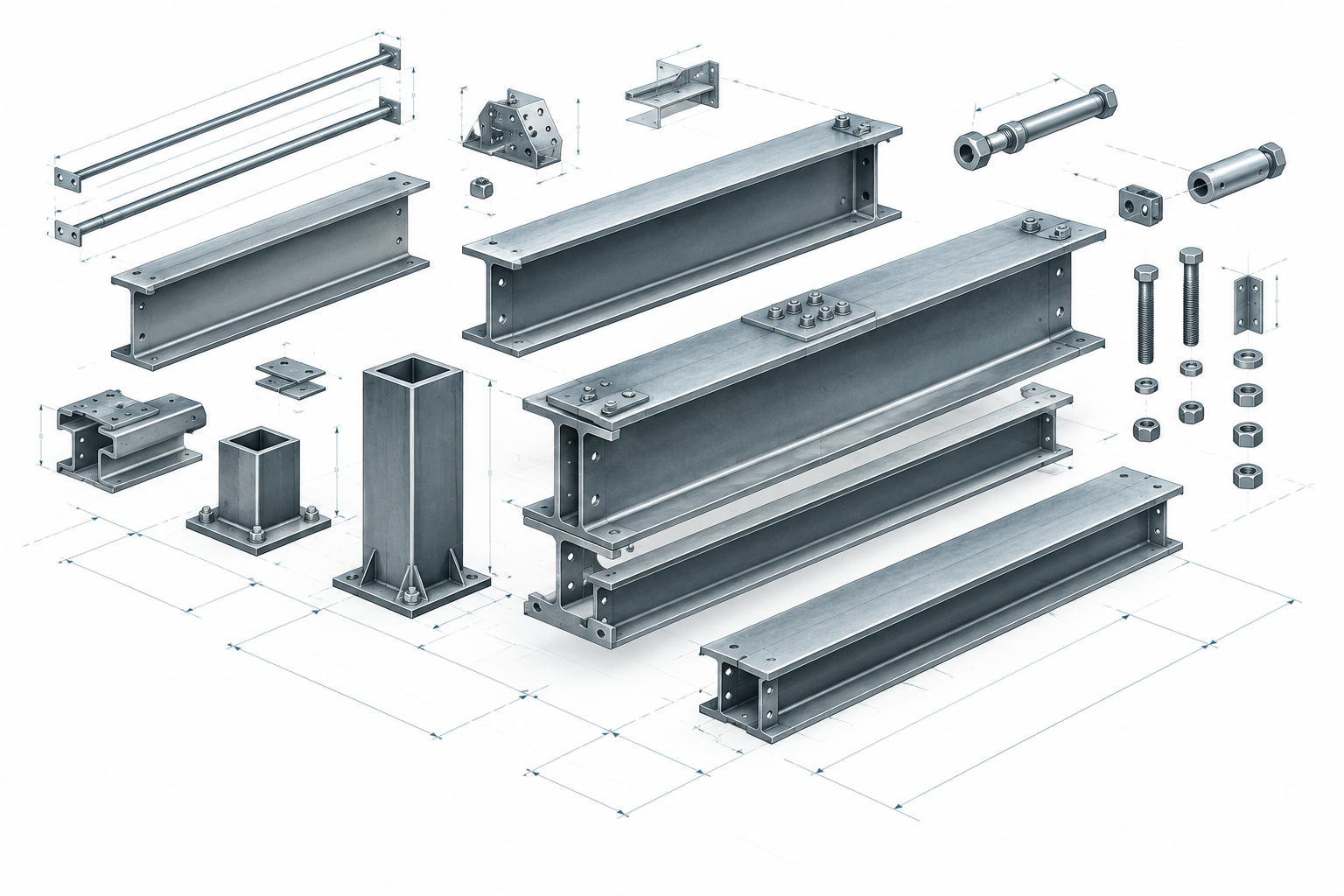
Gage R&R & Stress Testing
Running 30+ consecutive multi-socket runs to verify repeatability, stability, and timing margins.
- Asynchronous Engine Implementation
- State Transition Handlers
- TDMS / Database Logging Engines
- SubVI Error Cluster Routing
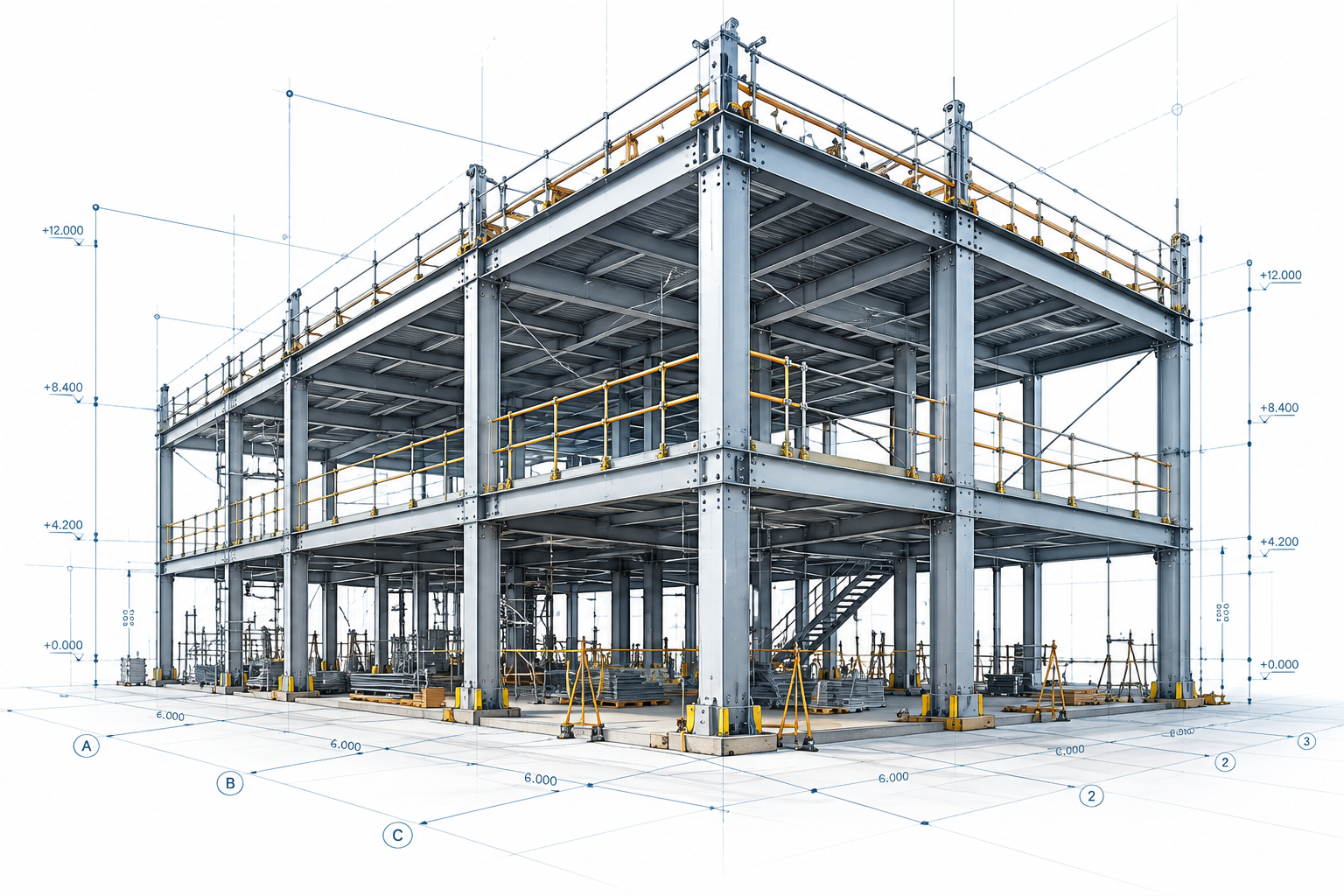
On-Site Factory Commissioning
Integrating the ATE rack onto your manufacturing floor, validating MES links, and training your team.
- Dynamic Subpanel Framework
- 24/7 Dark/Light Operator HMI
- Interactive Calibration Wizards
- Automated Recipe Batch Loaders
Turnkey Deliverables & Full Intellectual Property
A useful proposal starts with useful data. Every system we deliver is validated for throughput, hardware determinism, error recovery, and comprehensive lifecycle operating criteria.
Mission-Critical Applications for NI TestStand
Proven test, measurement, and automated validation platforms deployed across mission-critical global industrial sectors.
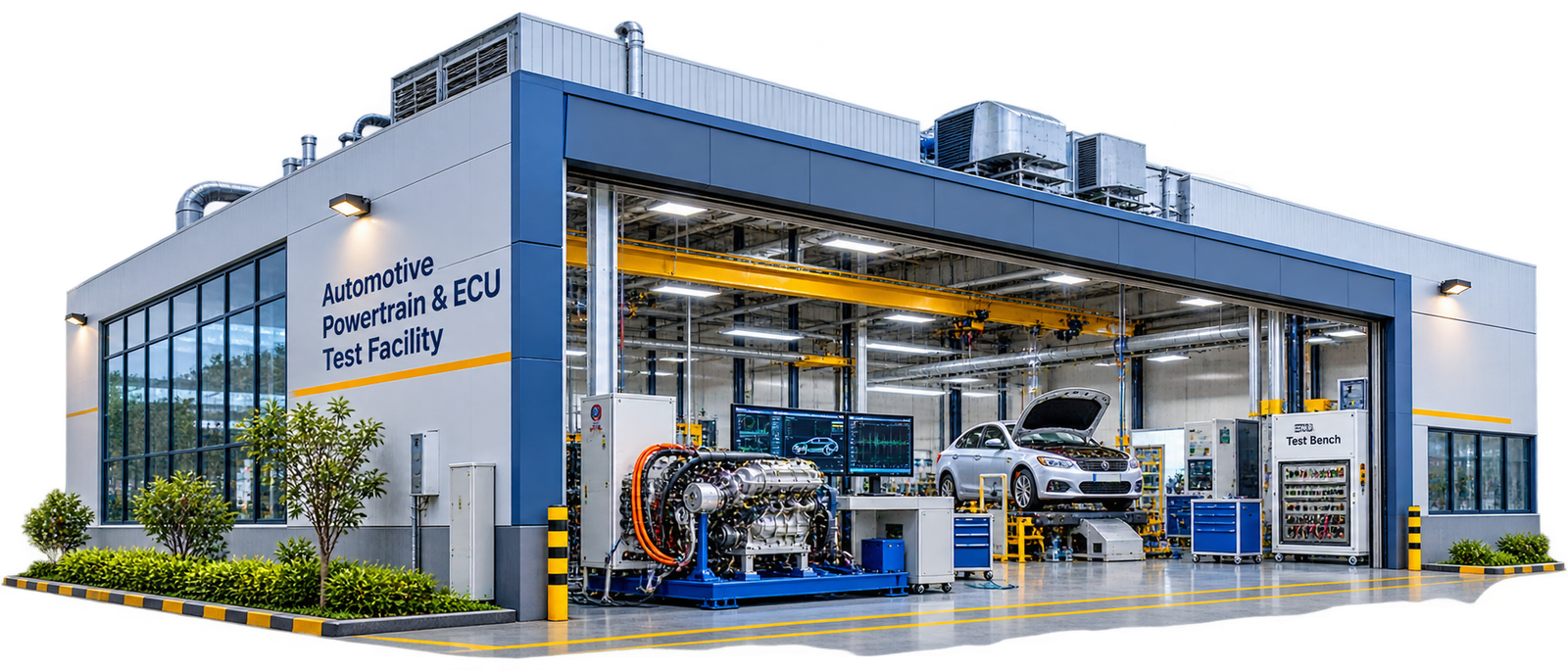
Automotive ECU & Powertrain Validation
End-of-line functional testing of engine control units, battery management systems (BMS), and inverter electronics with CAN/LIN bus logging.
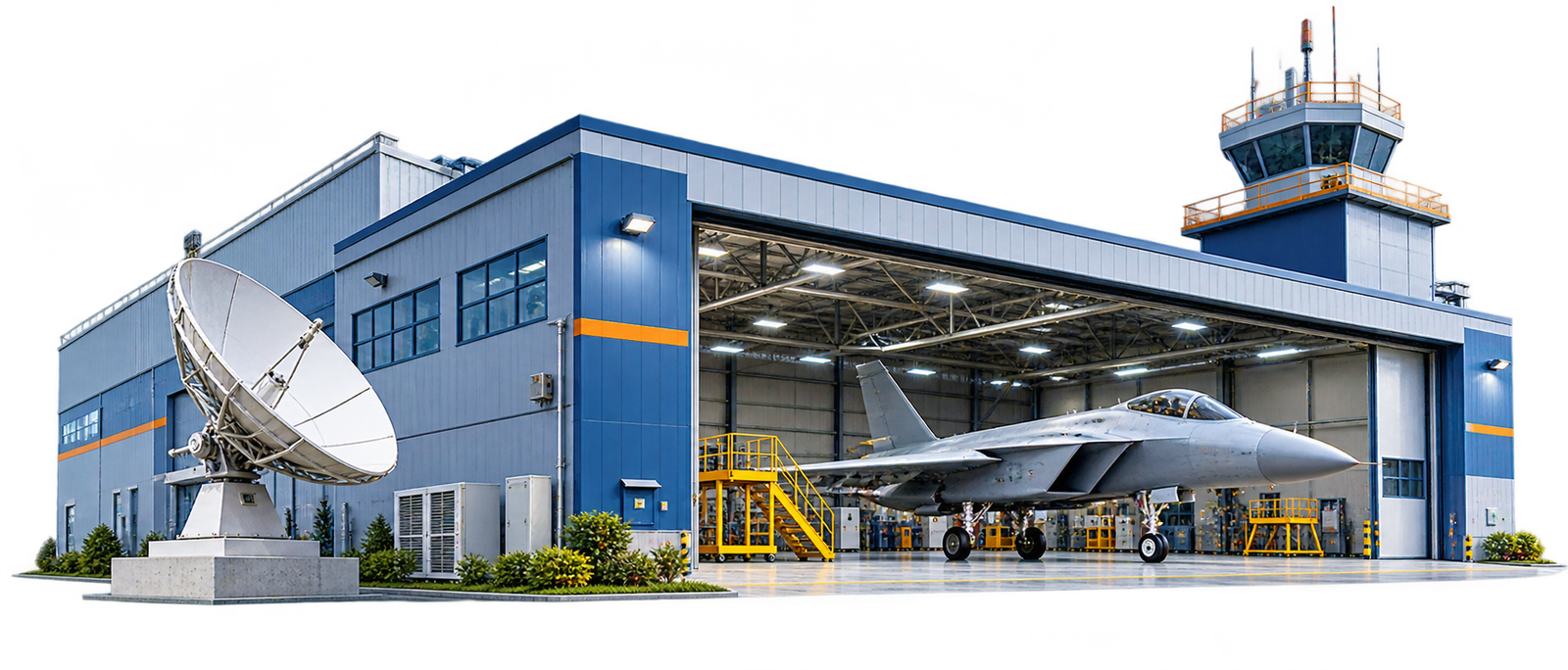
Aerospace Avionics & Flight Hardware
Deterministic environmental stress screening (ESS) and verification testing adhering to strict DO-178C and DO-254 traceability guidelines.
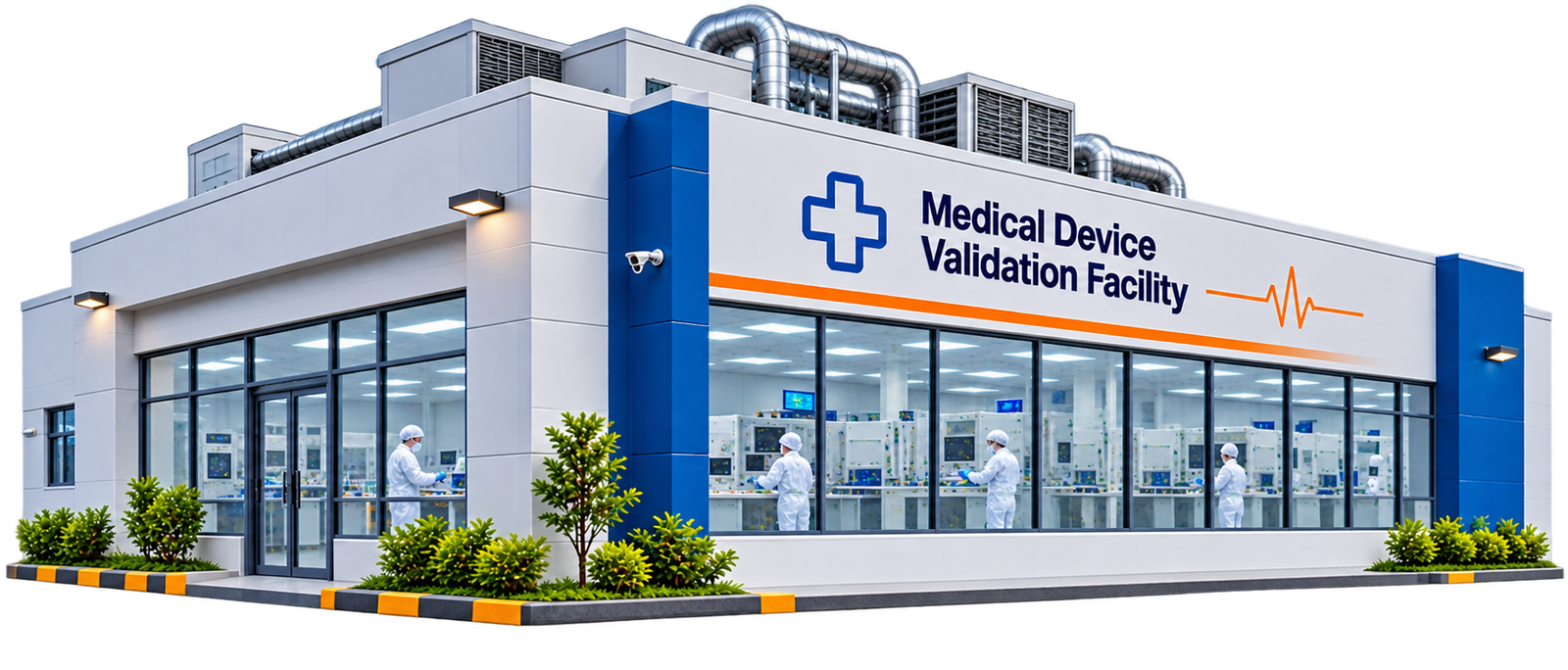
Medical Device Verification & FDA Compliance
Automated validation of patient monitors, infusion pumps, and surgical tools with 21 CFR Part 11 compliant audit trails and electronic signatures.
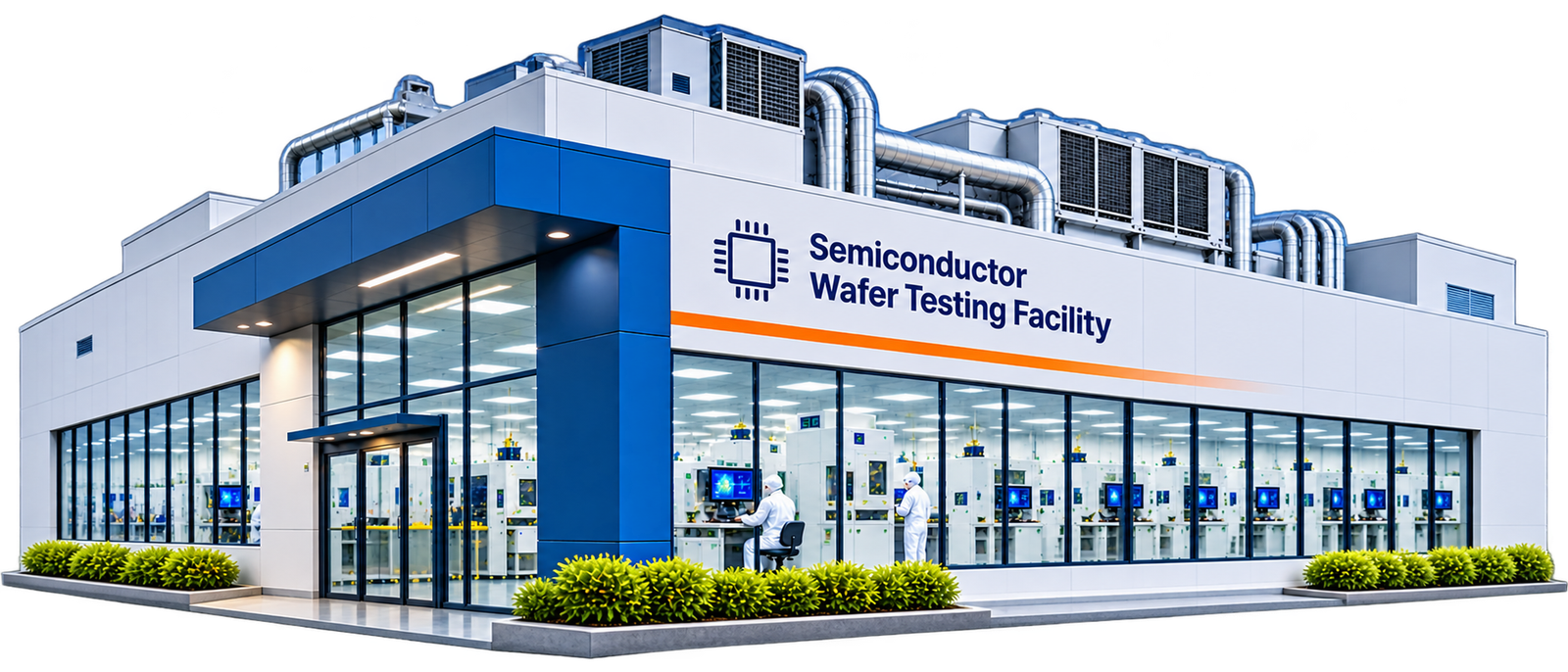
Semiconductor & Component Sorting
High-throughput multi-site chip characterization, parametric DC testing, and wafer-level sorting with millisecond test times.
Consumer Electronics Production EOL
High-volume functional testing of IoT devices, audio gear, and wireless modules with multi-socket parallel fixturing.
Why VEST Solutions
World-Class NI TestStand Expertise for High-Stakes Testing
Certified LabVIEW Architects and Hardware Integration Specialists delivering zero-defect deterministic automation.
Certified TestStand Architects (CTA) and Certified LabVIEW Developers (CLD)
Over a decade of turnkey ATE deployment across global automotive and aerospace leaders
Standardized HAL/MAL architectures protecting your software investment for 10+ years
Seamless multi-language capability bridging LabVIEW, Python, and modern .NET stacks

Zero-lock asynchronous database logging preventing station throughput bottlenecks
Multi-socket parallel execution expertise cutting station takt times in half
100% complete source code ownership with zero proprietary vendor lock-in
Comprehensive post-deployment support, SLA maintenance, and technician training
NI TestStand Architecture vs. In-House Custom Scripts
Why leading test engineering organizations transition from ad-hoc Python/C# scripts to standardized NI TestStand frameworks.
.png)
In-House Custom Test Scripts
- Tightly coupled sequencing, instrument communication, and UI code
- No standard multi-socket execution; parallel testing requires complex threading code
- Each engineer invents their own report format and database schema
- High maintenance cost when the original script author leaves the company
- Difficult to scale across multiple factory locations with consistent calibration
VEST NI TestStand Architecture
- Decoupled test executive with clean pre/post step separation
- Built-in, battle-tested parallel and batch process models with automatic socket management
- Standardized ATML, XML, and SQL database reporting out of the box
- Modular code modules: swap instruments or test steps in seconds without recompiling
- Global industry standard recognized and maintained across the engineering community
4 Critical Mistakes to Avoid in Test Executive Deployments
Architectural pitfalls that turn scalable test systems into unmaintainable legacy technical debt.
Hardcoding Instrument Addresses Inside Test Steps
Embedding VISA resource strings (e.g. 'GPIB0::14::INSTR') directly into sequence steps makes swapping equipment impossible without editing hundreds of steps. Always implement a Hardware Abstraction Layer (HAL).
Synchronous Database Logging in the Test Thread
Calling SQL insert statements directly inside the test sequence pauses measurement execution during network latency spikes. Use asynchronous, zero-lock queued logging models.
Neglecting Instrument Lock Arbitration in Parallel Sockets
Sharing a single high-precision instrument across parallel UUTs without rigorous mutex locks causes race conditions and corrupted data. Use TestStand Synchronization step types.
Exposing Sequence Editor Directly to Line Operators
Allowing operators to view or edit sequences on the manufacturing floor leads to accidental parameter modifications and lost production time. Deploy a locked-down custom Operator Interface.
Technical Answers to Common NI TestStand Questions
Answers to technical questions regarding architecture patterns, instrument drivers, FAT/SAT deployment, and full source code ownership.